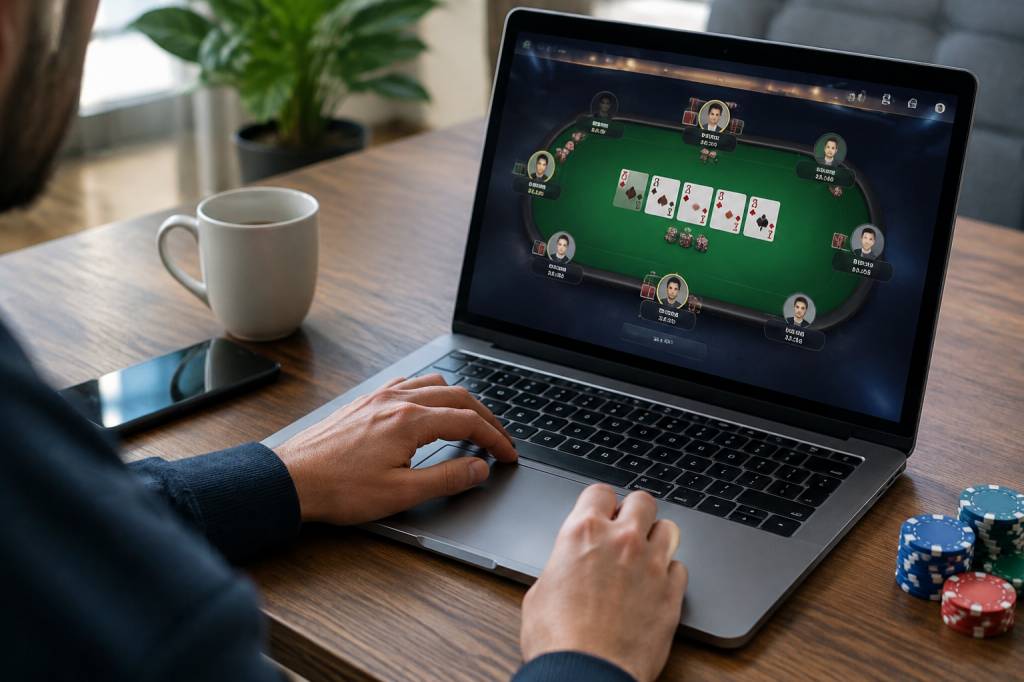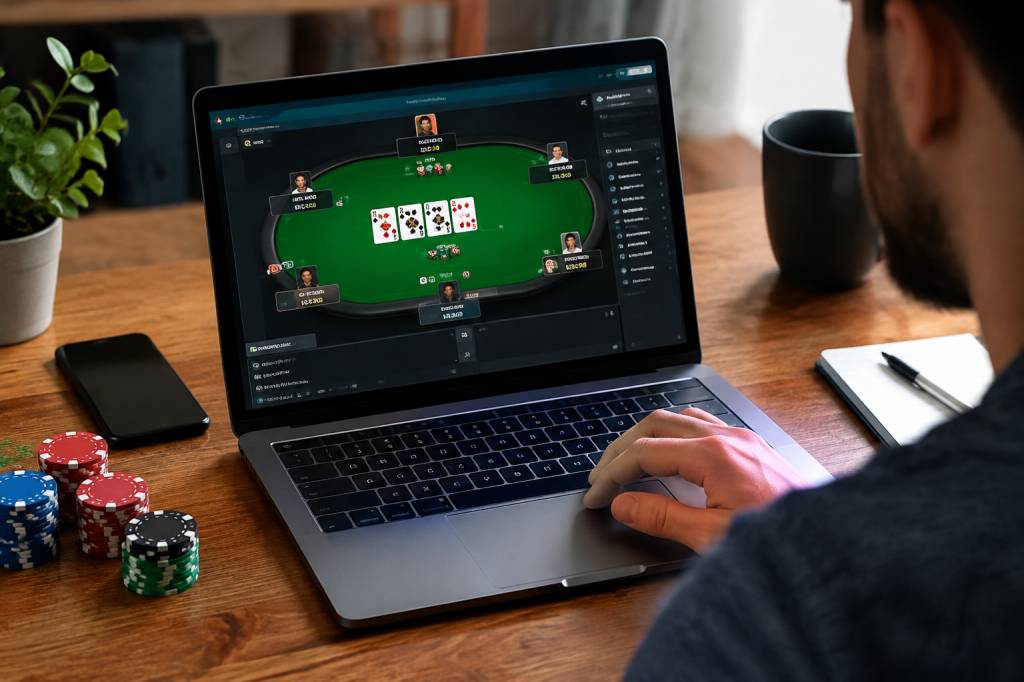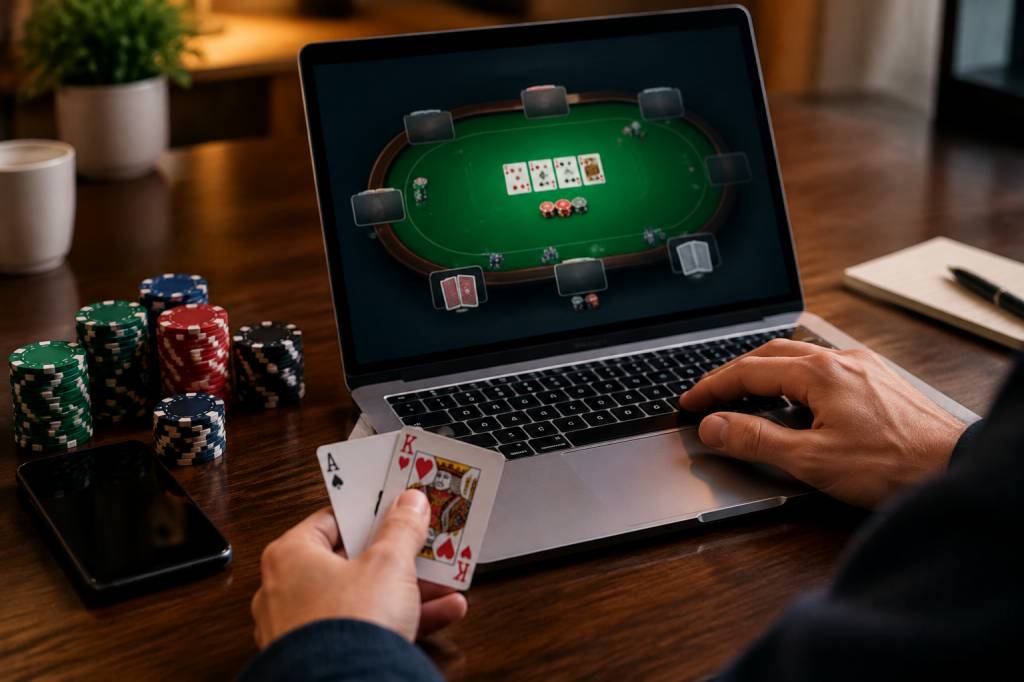
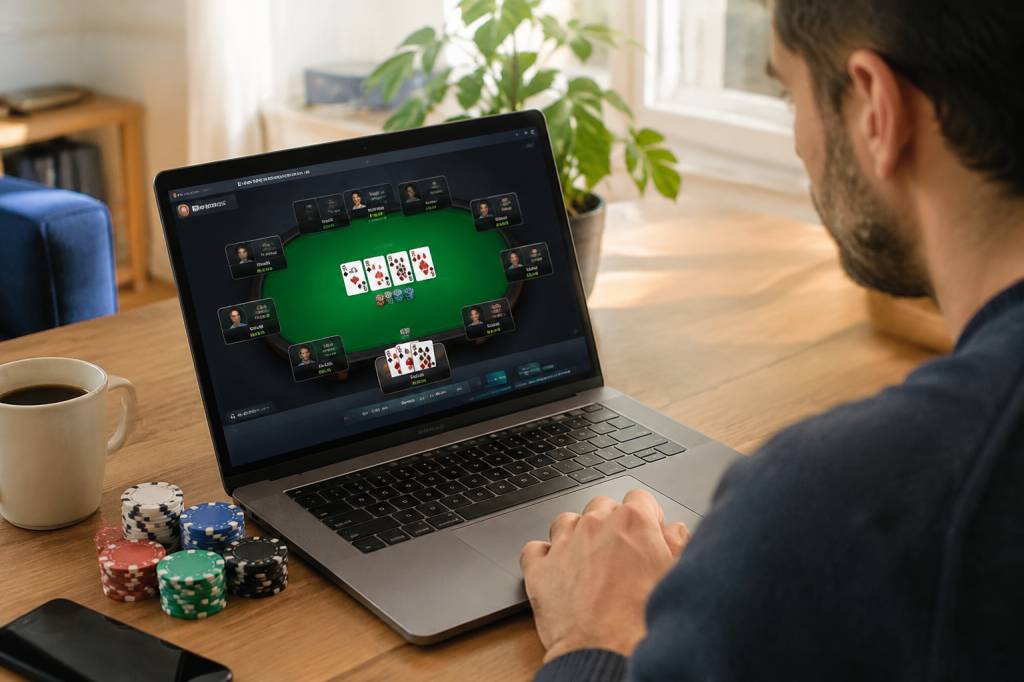
Choosing the best site for online poker real money is a little like choosing a table in a live card room. A flashy welcome offer may catch your eye, but it tells you very little about the players, the rules, or whether the room is run fairly. Before I deposit a cent, I look past the shiny graphics and ask a more important question: can I trust this poker room with my money, my personal details, and my time?
That question matters whether you are learning the basics or chasing a deep tournament run. A reliable site should make it easy to understand how games work, how payments are handled, and where to turn if something goes wrong. Here is the checklist I use before settling in for a session.
Start with the licence, not the welcome offer
A poker room can have a handsome lobby and a bonus large enough to make your eyebrows rise. Neither is proof that it is trustworthy. The first thing I check is whether the operator is licensed to offer online poker where I live.
Rules differ by country, and sometimes by region within a country. A site that is permitted in one place may not be authorized in another. Look for the regulator’s name and licence information in the site footer, then verify those details on the regulator’s official website. Do not rely only on a badge or logo displayed by the poker room itself.
A legitimate operator should also make its legal terms easy to find. If the licensing information is vague, the company behind the site is hard to identify, or the terms seem designed to disappear into a fog, I move on. There are plenty of tables in the world; there is no prize for sitting at the wrong one.
Before registering, check your local rules and age requirements. If real-money online poker is not legally available in your area, do not try to get around restrictions. A trusted room is one you can use lawfully, not one that asks you to take a detour through a questionable workaround.
Look closely at the games and player traffic
The best site for one player may be a poor fit for another. A tournament fan wants a busy schedule and a range of buy-ins. A cash-game regular may care more about table availability, stake levels, and the number of players online during their preferred hours.
I browse the lobby before depositing. Are the games I want actually running, or are they listed with empty seats and hopeful labels? Are there low-stakes options for a cautious first session? Can I see the buy-in, blind level, fee, and tournament structure before joining?
Player traffic matters, but bigger is not automatically better. A large room may offer more tables and tournaments, while a smaller room might provide a quieter experience or games that suit your schedule. Think about your own habits rather than chasing a headline number. If you play after work, check what is available at that time—not only during a busy weekend peak.
Also examine the game variety. Texas Hold’em is the obvious starting point for many players, but you may want Omaha, sit-and-go tournaments, or other formats later. A good poker room explains its games clearly and lets you choose stakes that match your budget and experience.
Read the payment rules before making a deposit
Depositing should be straightforward, but withdrawals are where a poker room’s reliability gets a serious test. Before adding funds, review the available payment methods, minimum and maximum amounts, processing times, and any fees. Check that the methods work in your location and that the account name requirements are clear.
Use a payment option registered in your own name, and make sure your account details match your identification documents. Many licensed operators require identity checks before processing withdrawals. That can feel like an inconvenient pause after a good run, but it is a normal part of preventing fraud and meeting legal obligations.
Read the withdrawal policy before you play. Some sites process requests quickly; others may take longer, particularly when documents need review or a payment provider has its own processing schedule. The room should explain what to expect. If the policy is missing, confusing, or full of conditions that appear only after you deposit, treat that as a warning.
I also keep a simple record of deposits and withdrawals. It is not glamorous, but neither is trying to remember whether last month’s bankroll was in dollars, euros, or optimism. A clear record helps you track spending and spot any payment issue promptly.
Understand bonuses before you chase them
Welcome bonuses can be useful, but they are not free money with a tiny bow on top. They usually come with terms such as qualifying deposits, wagering or rake requirements, expiry dates, and limits on eligible games. Read those conditions before opting in.
For example, a room might release a bonus in stages as you generate qualifying play. That means the headline amount may not become available immediately, and some games may contribute differently toward the requirement. If you play only occasionally, a smaller, simpler offer could be more practical than a large bonus that expires before you can use it.
Check whether accepting a promotion affects your ability to withdraw funds, and whether you must opt in before playing. The details should be stated in plain language. If the offer sounds generous but its rules are difficult to locate, do not let the bonus make the decision for you.
When I compare poker rooms, I treat promotions as a tiebreaker—not the main event. Game quality, legal status, payment reliability, and support deserve more attention. A bonus cannot rescue a poor poker experience, no matter how impressive it looks on a banner.
Check the software and security features
Good poker software should make the game easy to follow. Cards, bets, pot size, and action buttons need to be clear on both desktop and mobile. I try the free or play-money options when available, explore the lobby, and see whether the platform feels stable before committing to real-money play.
Look for secure connections and sensible account protections. A site should use secure encryption for its pages and offer features such as strong passwords, account verification, and, where available, two-factor authentication. Never reuse a password from your email or another service. If someone gets into your email account, a recycled password can turn a bad day into a very expensive one.
Download software only through the operator’s official website or its verified app listing. Be cautious with links sent through messages or social media, especially if they promise exclusive bonuses or urgent access. A genuine poker room should not need a stranger to whisper a mysterious download link into your inbox.
Finally, read the room’s rules on prohibited software and player conduct. Tools that are allowed in one place may be banned in another. Knowing the rules protects your account and helps keep the games fair for everyone at the table.
Test customer support before you need it
Support is easy to ignore when everything is working. Then a deposit does not appear, a verification request is unclear, or a tournament freezes at exactly the wrong moment—and suddenly the help page becomes the most important feature on the site.
Check how support can be reached: live chat, email, telephone, or a help centre. Look at the stated hours and typical response times, if provided. You can also ask a straightforward question before depositing, such as how long identity checks usually take or where to find the withdrawal limits.
Pay attention to the quality of the answer. Is it specific and useful, or a copy-and-paste reply that dodges the question? A prompt, clear response is a good sign. So is a searchable help centre covering account security, payments, bonuses, game rules, and responsible play.
Keep records of important conversations and payment confirmations. If a dispute arises, dates and reference numbers are more helpful than a memory of what someone said while you were distracted by a river card.
Choose a room that supports safer play
A trustworthy poker site should make responsible gambling tools easy to find. Useful features may include deposit limits, session reminders, time-outs, cooling-off periods, and self-exclusion options. The exact tools vary by operator and location, so check what is available before you open an account.
Set a budget before you play and treat it as money spent on entertainment, not income waiting to happen. Poker involves skill, but luck still has a seat at the table. A strong decision can lose a hand; a weak decision can get rewarded once. Neither result changes the importance of sticking to your limits.
I also recommend setting a time limit. It is easy to say, “One more orbit,” and discover that several hours have quietly walked off with your evening. Breaks help you stay alert, and stopping when you planned to stop is a skill worth practising.
If gambling stops feeling enjoyable or begins affecting your finances, relationships, work, or mood, step away and seek support. Use the site’s time-out or self-exclusion tools, and contact a recognized support service in your country. A poker hand can wait; your wellbeing cannot.
Spot common warning signs
Some problems are easier to avoid when you know what to look for. Be cautious if a site hides its operator details, has no verifiable licence, or makes claims such as “guaranteed winnings.” No legitimate poker room can promise that you will win.
Other warning signs include unclear withdrawal rules, pressure to deposit quickly, promotions with inaccessible terms, and support that never answers basic questions. Watch for unofficial apps, requests to send money directly to another player, or demands for sensitive information through an unverified message.
Player reviews can offer useful clues, especially when they describe specific experiences with payments, support, or account verification. Still, read them with care. A complaint may be genuine, mistaken, or missing important context. Look for patterns across multiple independent sources rather than treating one dramatic post as the whole story.
My practical pre-deposit checklist
Before joining a real-money game, I take a final look at the basics. It takes only a few minutes and can save a lot of frustration later.
If a room passes those checks, it may be worth exploring with a modest first deposit you can afford to lose. Start at stakes that feel comfortable, learn the software, and make sure the experience matches what the site promised. There is no need to fire every chip into the pot before you have seen the flop.
The best site for online poker real money is not necessarily the one with the loudest advertising or the biggest bonus. It is the room that is properly authorized, transparent about payments and rules, comfortable to use, and equipped to help you stay in control. Find that combination, choose your limits, and then let the cards do their thing—without asking them to pay the rent.