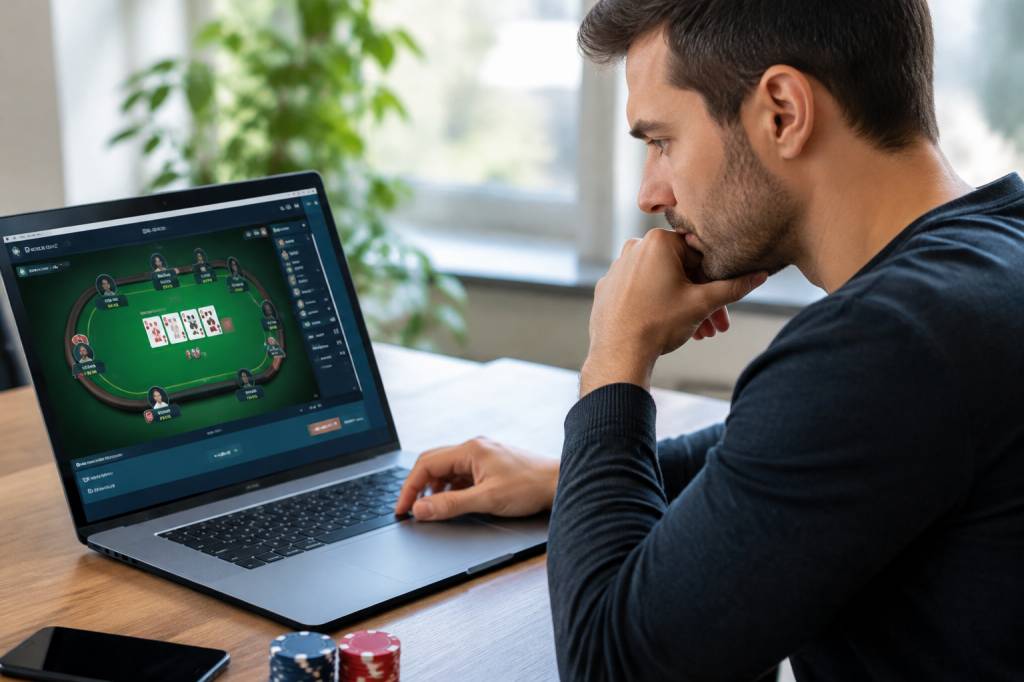
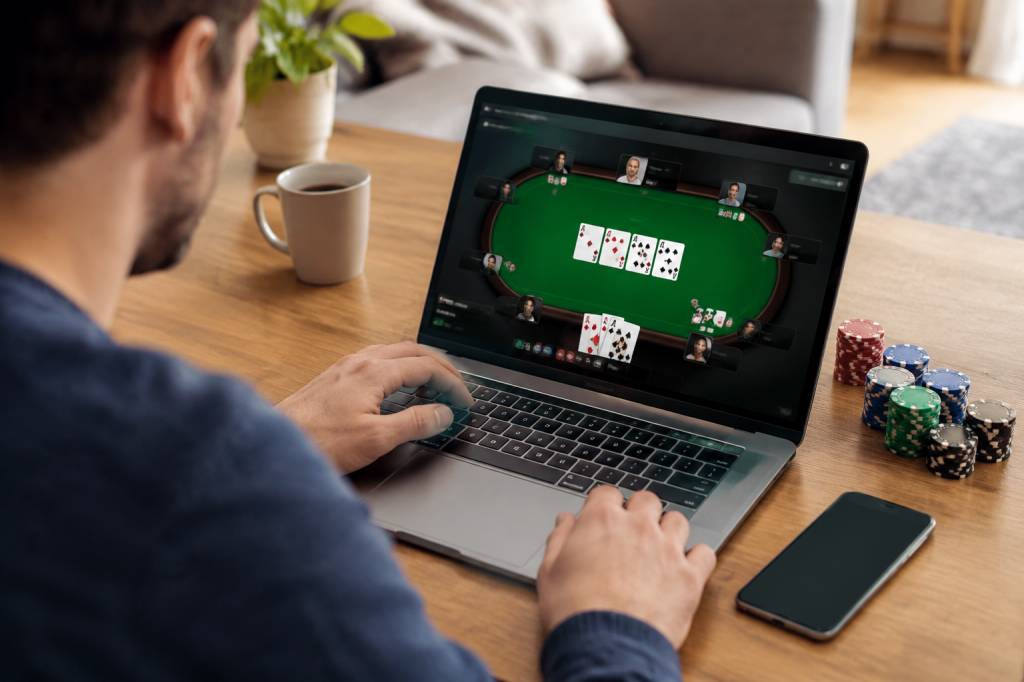
Finding a place to play poker online is easy. Finding a site that suits your game, your budget, and your local rules takes a little more care. A flashy welcome offer can catch the eye, but it won’t tell you whether the tables are active, the software runs smoothly, or the rules are clear.
Whether you’re learning the basics or hunting for a lively tournament, the right poker site should make it easy to focus on the cards—not on confusing terms or clunky menus. Here’s how to compare your options and choose a platform with confidence.
Start by checking what is legal where you live
Online poker laws vary by country and, in some places, by state or province. A site may accept players in one location and be unavailable in another. Before registering or depositing, check the rules that apply where you live and confirm that the operator is authorized to offer poker there.
Look for licensing information on the site, usually in its footer or responsible gambling section. Don’t stop at a badge or a line of small print: verify the license with the relevant regulator when possible. Also check that the site clearly explains its terms, privacy policy, payment rules, and process for handling complaints.
If a platform blocks access from your location, don’t try to get around the restriction. Apart from potentially breaking local rules or the site’s terms, it could complicate withdrawals or account verification. A good poker night is exciting enough without adding a legal puzzle to the river.
Decide what kind of poker you want to play
“Online poker” covers more than one experience. Before comparing sites, think about the games and stakes you actually want. A room with thousands of tables is not much use if none of them suit your style.
-
Cash games: Join a table, play for real-money stakes where permitted, and leave when you choose. Check the available limits and the number of players at different times of day.
-
Tournaments: Pay an entry fee, receive a starting stack, and compete until you’re eliminated or reach the prizes. Formats can range from long events to fast-paced games with shorter levels.
-
Sit-and-go games: These usually begin once a set number of players have registered. They can be a convenient option when you don’t want to wait for a scheduled tournament.
-
Play-money tables: Useful for learning the software, trying a new format, or practising without risking cash. Just remember that play-money decisions may feel different when real stakes are involved.
Also consider which poker variants are offered. Texas Hold’em is the familiar starting point for many players, while Omaha, Seven-Card Stud, and other formats appeal to different tastes. If you’re still learning, a site with beginner-friendly tables and clear game descriptions can make the first session less intimidating.
Look for a healthy mix of players and games
A poker site can look impressive and still feel quiet at the tables you want. Check the lobby before depositing, if the site lets you browse without an account. Look for active games at your preferred stakes, tournament schedules that fit your routine, and enough variety to keep your options open.
Traffic matters because it affects how quickly games start and how many tables are available. But bigger isn’t automatically better. A smaller room may work perfectly if it has regular games at your limits and a community you enjoy. The key question is simple: can you find a suitable game when you want to play?
Imagine you have half an hour free after dinner. If every tournament begins hours later and the cash tables are empty, that platform may not fit your schedule. Compare activity at the times you’re most likely to play—not just during peak hours shown in a promotional screenshot.
Test the software before putting money in
Good poker software should be reliable, readable, and easy to navigate. The cards and betting controls need to be clear at a glance. If you have to hunt for the fold button, the experience is already asking more of you than the hand should.
Try the browser version, desktop application, or mobile app before committing, depending on how you plan to play. Check whether the tables load smoothly, the lobby filters make sense, and the game remains stable when you switch screens. If you play on a phone, make sure the interface is comfortable on your device and that the app comes from an official source.
Security is part of the experience too. Look for secure account access, options such as two-factor authentication if offered, and a straightforward way to contact support. A platform should explain how it protects personal and financial information without forcing you to decipher a wall of vague promises.
Read the real-money details carefully
For real-money play, understand the basics before making a deposit. Check the minimum and maximum deposit amounts, supported payment methods, withdrawal options, processing times, and any fees. The method that works for adding funds may not be available for cashing out, so read both sides of the process.
Identity checks are also common at regulated poker sites. You may be asked to verify your identity, age, or address before withdrawing. That can feel inconvenient when you’ve just had a great run, but completing the process accurately and early can help avoid delays later. Use only payment methods that belong to you and follow the operator’s instructions.
Pay attention to the poker room’s fees, often called rake in cash games or included in tournament entry costs. These charges can differ between games and stakes. You don’t need to become an accountant before playing, but you should know what the site takes and how it affects the cost of a session.
Don’t choose a site based on its bonus alone
A welcome bonus can be appealing, but the headline number rarely tells the whole story. Bonus funds may be released in stages, require a certain amount of eligible play, or expire after a set period. Some offers apply only to particular games or payment methods.
Read the terms before accepting an offer. Ask yourself whether you would still want to play on the site without the promotion. If the answer is no, the bonus may be doing more work than the poker room itself. No offer is worth chasing with money you can’t afford to lose—or with extra hours of play you didn’t plan to spend.
For example, a player might deposit because a large bonus looks generous, then discover that unlocking it requires more play than fits their budget. The better move is to compare the terms in advance and treat any promotion as an optional extra, not as guaranteed cash.
Find a site that supports responsible play
Responsible gambling tools are a practical feature, not fine print for someone else. Depending on the platform and your location, you may be able to set deposit, loss, or session limits; take a break; or request self-exclusion. Check how these controls work before you need them.
Set a budget and a time limit before you sit down. Keep poker spending separate from money needed for bills, food, savings, or other essentials. If you reach your limit, stop—even if the next hand looks tempting. Poker is full of dramatic turns, but no winning streak is guaranteed to continue.
If gambling stops feeling like entertainment or starts affecting your finances, relationships, or wellbeing, step away and seek support from a trusted person or a recognized gambling-help service in your area. A dependable poker site should make help and self-control options easy to find.
Use free play to make a low-pressure first visit
If you’re new to online poker, start with play-money tables or a free tournament, where available. You can learn how the lobby works, practise using the controls, and get comfortable with the pace of online hands without risking a deposit.
Free play is also useful for experienced players trying a new variant or device. Just don’t assume that a strategy that works with play chips will feel exactly the same at real-money tables. The stakes change the atmosphere, and sometimes they change how people make decisions too.
When you’re ready for real-money play and it is legal where you live, begin at the lowest suitable stakes. Treat the first session as a test of the site, not an audition for a poker documentary. You’re checking whether the games, software, and support meet your expectations.
Make a quick comparison before signing up
Keep your shortlist manageable. Compare two or three licensed options using the same questions, rather than clicking through every promotion on the internet. A simple checklist can help:
-
Is the site licensed and available in my location?
-
Does it offer my preferred poker formats and stakes?
-
Are games active at the times I usually play?
-
Does the software work well on my computer or phone?
-
Are deposit, withdrawal, identity-check, and fee rules clear?
-
Can I find practical limits, time-outs, and support options?
-
Do I understand the bonus terms—or am I better off ignoring the offer?
These checks won’t tell you which site will deal you pocket aces. They will help you avoid choosing a room that’s a poor fit before the first card is even dealt.
Choose the room that fits your game
The best place to play poker online is not necessarily the one with the biggest advertisement or the most dramatic bonus. It’s the legal, trustworthy platform that offers the games you enjoy, works reliably on your device, explains its costs, and gives you tools to stay in control.
Take a few minutes to check the rules, browse the lobby, test the software, and read the payment and bonus terms. Then start small, set your limits, and enjoy the game for what it is: a mix of patience, decisions, and the occasional river card that seems to have its own sense of humour.