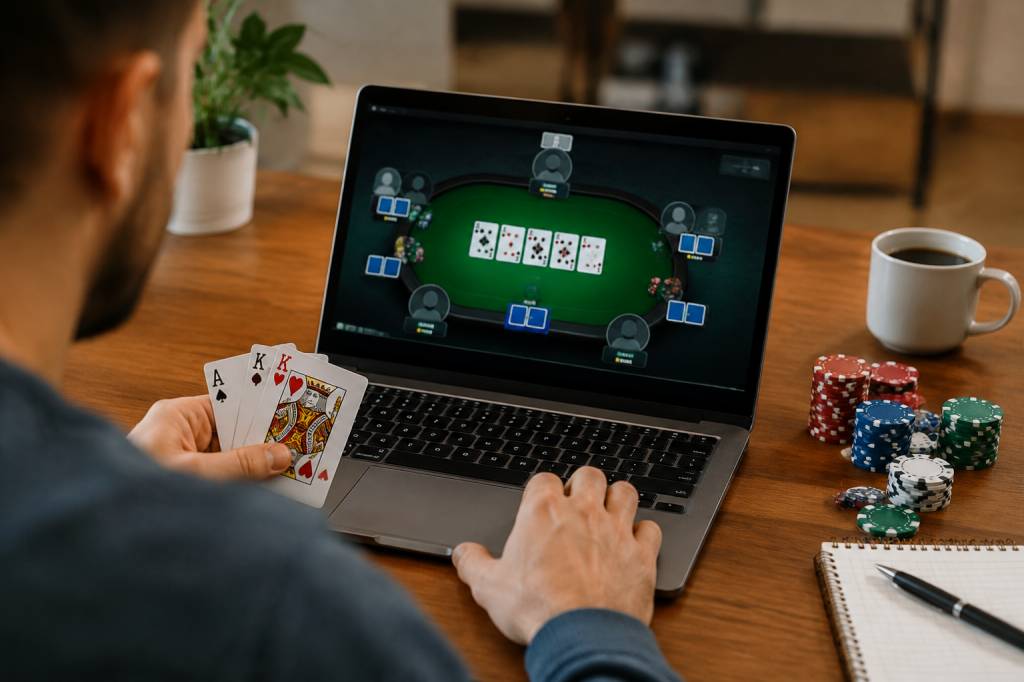
Choosing a real-money poker site is a little like choosing a table in a busy casino. The cards matter, of course, but so do the people running the game, the rules, and whether your chips will still be there when you come back. A slick welcome offer can look tempting, yet it tells you very little about how a site handles withdrawals, protects personal information, or treats players when something goes wrong.
When I compare online poker rooms, I start with the unglamorous questions. Is the operator properly licensed where I live? Are the cash-game rules clear? Can I find a real support team? These checks may not deliver the thrill of a river card, but they can help keep a bad surprise off the table. Here is the checklist I use before depositing money.
Start With the Rules Where You Live
Online gambling laws vary by country and, in some places, by state or province. A poker room may be legitimate in one location but unavailable or unauthorized in another. Before creating an account, check the rules that apply to you and confirm that the operator is allowed to offer real-money poker in your jurisdiction.
Do not rely on a site’s homepage alone. Look for its legal information, including the company that operates the service and the regulator responsible for its license. Then, when possible, verify those details on the regulator’s own website. If the license number is missing, difficult to confirm, or attached to a different company, treat that as a reason to pause—not as a detective challenge you need to solve after depositing.
Also check the age requirement. Real-money poker is for adults who meet the legal age in their location. A reputable site should explain its eligibility rules and may ask you to verify your identity before you can withdraw funds. That process can feel like an unwanted turn at the paperwork table, but it is a standard part of compliance and fraud prevention.
Check Who Is Actually Running the Poker Room
A familiar brand name is not enough. Find the operator’s full legal name in the site’s terms, licensing page, or privacy policy. Search for that company independently and see whether the information is consistent. A clear business identity gives you somewhere to turn if you need to raise a concern.
I also look for signs that the site takes its responsibilities seriously: clear customer-service options, accessible rules, and straightforward explanations of account checks. If every important detail is hidden behind vague promises, I keep looking. A genuine poker room should not make you work harder to understand the basics than it takes to learn the difference between a flush and a full house.
Independent reviews can offer useful clues, especially when they describe specific issues such as delayed payouts or unresponsive support. But reviews are not proof on their own. Some may be outdated, biased, or written after a single unusual experience. Read for patterns, compare multiple sources, and give more weight to verifiable facts than to a dramatic one-star story—or a suspiciously enthusiastic five-star one.
Make Deposits and Withdrawals Part of the Test
For many players, the real test of a poker site comes after the hand is over. Before depositing, read the cashier information carefully. Which payment methods are available to you? Are there deposit or withdrawal fees? What are the minimum and maximum amounts? How long does a withdrawal usually take, and what documents may be required?
Pay attention to conditions attached to bonuses. A large bonus number can look like a mountain of free chips, but the fine print may include wagering requirements, game restrictions, expiry dates, or limits on eligible withdrawals. A bonus is only useful if you understand what you must do to receive or keep it. If the terms are confusing, ask support to explain them before accepting.
When I try a new service, I prefer to begin with an amount I can afford to lose and avoid treating the first deposit as a test of my poker courage. I also check whether the payment method is available in my country and whether its name matches the account holder’s details. These small checks can help prevent avoidable delays later.
Never share your password, one-time verification code, or payment details with someone claiming to be support through an unofficial channel. Use the contact options listed on the site. If a message creates urgency—“send money now or lose your account”—that is a good moment to stop and verify it independently.
Look Closely at Account Security and Privacy
A poker account can contain personal details, payment information, and a record of your play. Check how the site says it protects that information. Look for a current privacy policy and secure account features such as two-factor authentication, if available. A strong, unique password is a simple step that is worth taking, especially if you have a habit of reusing the same password everywhere.
Read the privacy policy with a practical question in mind: what information is collected, why is it used, and who may receive it? You do not need to memorize every legal phrase, but you should be able to understand the broad purpose of the data collection. If the policy is missing, unreadable, or strangely unrelated to the service, be cautious.
It is also sensible to download poker software only from the operator’s official website or its verified app listing. Avoid links sent through unsolicited messages. A fake download can be a much nastier opponent than a player holding pocket aces.
Understand the Games, Fees, and Player Traffic
A safe site still needs to offer games that suit you. Check the available formats, stakes, tournament schedules, and table traffic at the times you actually expect to play. A room packed with high-stakes games may be impressive, but it is not much help if you are looking for a low-stakes table after work.
Review the rake and tournament fees before joining. The rake is the amount a poker room takes from eligible cash-game pots, while tournament fees are generally listed separately from the buy-in. The exact structure can vary by game and stake, so look for clear information rather than assuming every table works the same way.
As a simple example, imagine two rooms offering a similar low-stakes cash game. One clearly displays its rake structure and table limits; the other makes you dig through several pages to find them. That does not automatically prove the second room is unsafe, but transparent rules make it easier to understand what you are agreeing to—and to compare your options fairly.
For beginners, play-money tables or free practice modes can be a useful way to learn the interface and rules before risking cash. They do not perfectly reproduce real-money play, but they can help you avoid clicking the wrong button while trying to decide whether to call. Even experienced players may want to test unfamiliar software before settling in for a long session.
Try the Support Team Before You Need Them
Customer support is easiest to assess before your account is locked, a payment is delayed, or a tournament connection drops at the worst possible moment. Check whether help is available through live chat, email, or another official channel, and note the published hours. Then ask a simple, specific question about a rule or payment method.
The response can tell you a lot. Is it clear and relevant, or does it read like a copy-and-paste answer that never quite meets your question? Does the support agent explain where to find the policy? A courteous, useful answer is not a guarantee that every future issue will be resolved perfectly, but it is a better sign than silence.
Keep records of important conversations, transaction confirmations, and the terms of any promotion you accept. If a dispute arises, having dates and screenshots can make it easier to explain what happened. Save them securely and avoid including sensitive information when sharing documents unless the site specifically requests it through a verified process.
Read the Responsible-Play Tools Before You Play
Poker can be entertaining, but real-money play carries financial risk. A reputable operator should provide tools that let players set limits, take a break, or close an account. Depending on your location, options may include deposit limits, spending limits, session reminders, time-outs, or self-exclusion.
I prefer to decide my budget and time limit before opening a table, not after a string of bad beats. Set aside only money you can afford to lose, and do not borrow or use money needed for rent, bills, food, or other essentials. If you find yourself chasing losses, hiding your play, or struggling to stop, step away and seek help from a trusted person or a local gambling-support service.
Limits are not a sign that you lack discipline. They are a way to make decisions while you are calm, before the action gets exciting. Even the best poker face cannot negotiate with a household budget.
My Quick Checklist Before I Deposit
Before putting money into a new poker account, I take a final look at the essentials:
-
The operator is licensed and permitted to serve players in my location.
-
The company name, license details, and rules are easy to find and verify.
-
Deposit methods, withdrawal steps, fees, and processing times are clearly explained.
-
Bonus terms are understandable, including any wagering rules and restrictions.
-
The site offers secure account features and a clear privacy policy.
-
Customer support is reachable through an official channel and answers basic questions.
-
Games, stakes, rake, and tournament fees suit my experience and budget.
-
Responsible-play tools are available, and I have set personal limits before playing.
No checklist can remove every risk, and a license does not guarantee that every experience will be smooth. But taking a few minutes to verify the basics can help you make a more informed choice. Pick a room that is transparent about its rules, start cautiously, and keep poker in its proper place: a form of entertainment, not a plan for paying the bills.
That is how I choose where to play. I would rather spend a little time checking the table before I sit down than discover halfway through a session that the house rules were hiding in the small print.