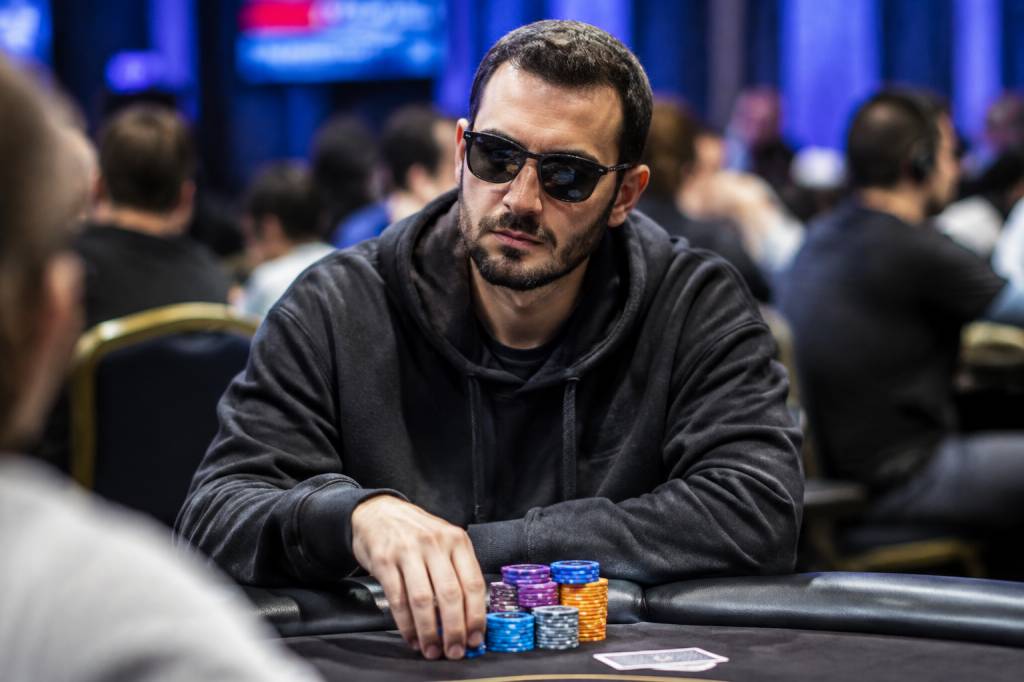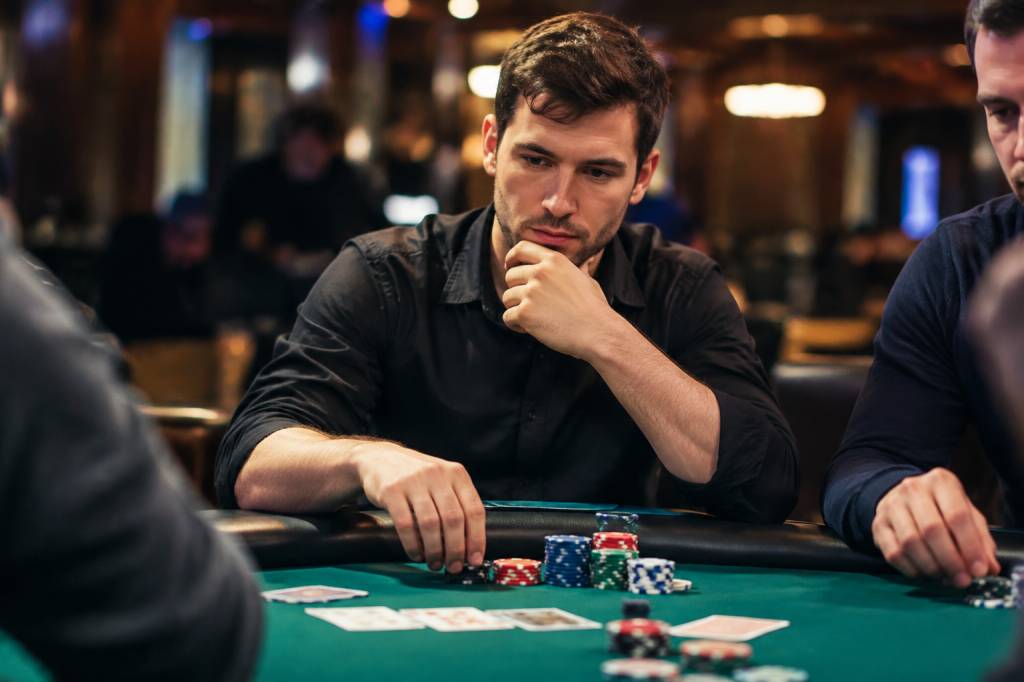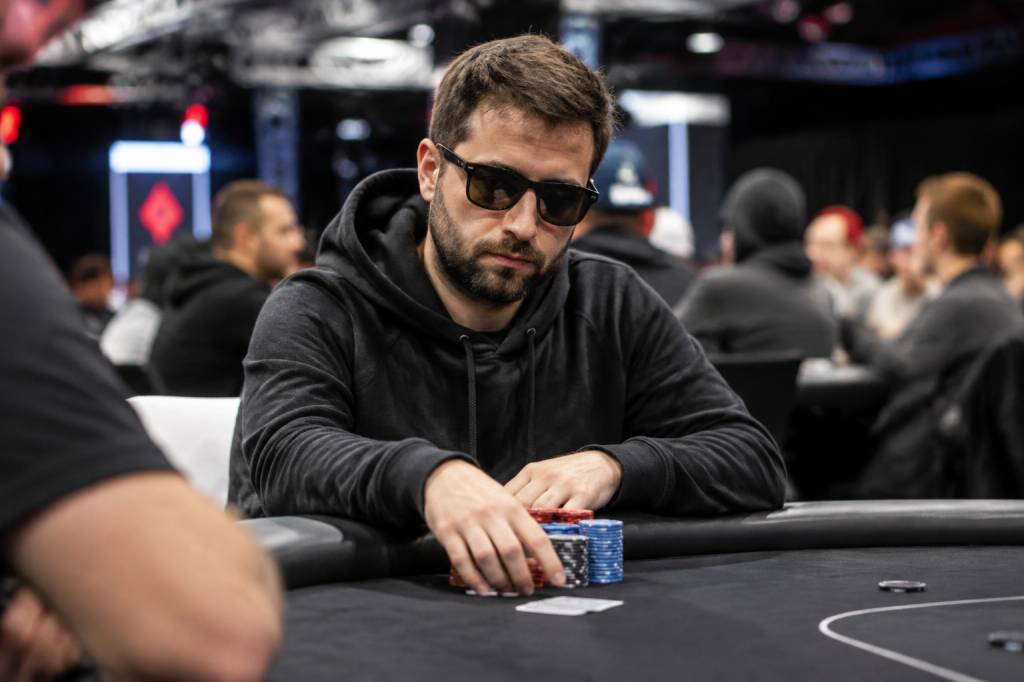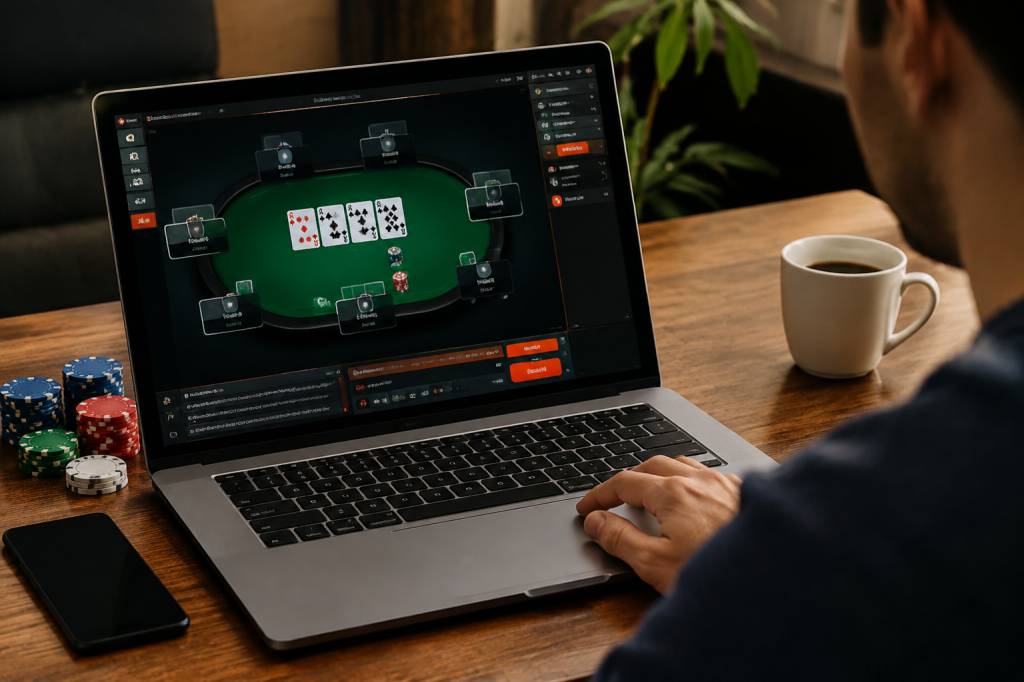
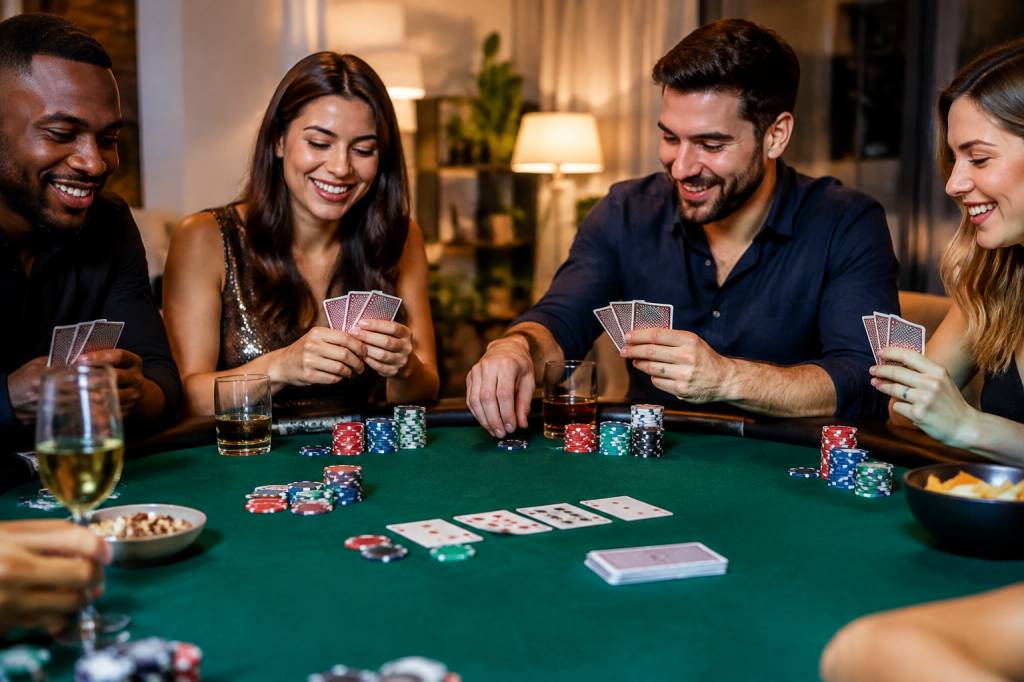
A poker party can turn an ordinary evening into a night of big bluffs, questionable “expert” advice and at least one friend insisting they folded the winning hand. But the best home game is not built on luck alone. A little planning keeps the cards moving, the mood friendly and the stakes comfortable for everyone at the table.
Whether your group includes seasoned players or people who still ask which way to deal, this guide will help you host a casino-inspired poker night that feels polished without taking itself too seriously. The aim is simple: create an evening your friends will remember for the laughs, not for an argument about who owes whom twenty dollars.
Set the tone before you set the table
Start by deciding what kind of night you want. Is this a relaxed Texas Hold’em game with snacks and music, or a more theatrical casino-style party with a dress code, a tournament structure and dramatic chip stacks? Either can work. The important thing is to tell guests what to expect before they arrive.
Send a short invitation with the date, start time, game format, approximate length and whether there will be real-money betting. Be especially clear about the stakes. “Low stakes” means different things to different people; one guest may picture pocket change, while another imagines a high-roller table with a very optimistic soundtrack.
If you want a no-pressure evening, use play chips or agree on a small, fixed buy-in that everyone can comfortably afford to lose. Nobody should feel pushed to join, rebuy or raise the stakes. A good host makes it easy to play for fun, watch from the sidelines or take a break without needing to explain.
Choose a game everyone can enjoy
Texas Hold’em is a popular choice because the rules are straightforward to explain and each player gets plenty of chances to make decisions. If your friends already know the basics, a small tournament can give the evening a satisfying shape. For a mixed-experience group, keep the structure simple and leave room for questions between hands.
Before the first deal, explain the essentials: each player receives two private cards, five community cards are dealt in stages, and the goal is to make the best five-card hand or persuade everyone else to fold. A quick hand-ranking reference beside the table can prevent confusion when someone confidently announces that three pairs must surely beat a straight.
Keep the first few hands friendly and unhurried. Experienced players can help newcomers understand the action without coaching them into every decision. Nobody enjoys learning a game while a veteran opponent narrates their mistakes like a sports commentator.
If your group prefers variety, you could schedule a short second game after the main event. Omaha or a simple draw-poker variation can add a fresh challenge, but avoid switching formats every twenty minutes. Constant rule changes make it harder for beginners to settle in and can turn a lively party into a meeting about card procedures.
Plan a structure that keeps the game moving
A home tournament needs just enough structure to avoid drifting into an endless sequence of hands. Decide the starting chip stack, blind levels and approximate finish time before play begins. For a casual evening, you might use a comfortable starting stack and increase the blinds at regular intervals, such as every 20 or 30 minutes. The exact numbers matter less than making the plan clear and consistent.
Here is a simple checklist to settle before the first hand:
- Agree on the game and the rules, including how ties are handled.
- Set a fixed buy-in or use play chips, and make rebuys optional or unavailable.
- Choose a host or dealer who can keep track of the blinds and answer rule questions.
- Set a finish time, or decide how the group will end the game if it runs late.
- Explain how breaks, late arrivals and players leaving early will be handled.
A phone timer or a simple blinds sheet is enough to keep the tournament on track. If you have a dedicated dealer, rotate the role after each hand or use a dealer button. This spreads the responsibility around and gives the host a chance to enjoy the game too.
For a social night rather than a tournament, there is no need to force a dramatic final table. You can set a fixed end time and let everyone cash out their play chips or simply stop when the group is ready. The point is to host a good evening, not to recreate a televised poker marathon in your dining room.
Make the table comfortable
You do not need a professional poker table to create the right atmosphere. A clean, flat surface, enough chairs and good lighting will do more for the game than a novelty card shuffler shaped like a sports car. Make sure players can reach the chips and cards without leaning across one another, and leave enough space for drinks and snacks away from the playing area.
Use a standard deck in good condition, and keep a spare nearby. A visible dealer button, a set of chips in several denominations and a clear place for the pot make the action easier to follow. If you do not own poker chips, you can use labelled tokens, but agree on their values before the game begins. A red chip cannot be worth five on one hand and fifty on the next just because someone is running low.
Lighting should be bright enough to read the cards but warm enough to keep the room inviting. Background music can add atmosphere, though it should stay quiet enough for players to hear the action. Save the cinematic soundtrack for the moment someone makes a bold call; playing suspenseful music during every pause can make a routine check feel like a hostage negotiation.
Serve food and drinks without slowing the action
Choose easy-to-eat snacks that do not leave greasy fingerprints on the cards. Pretzels, sliced vegetables, nuts and small sandwiches are practical options. Keep napkins within reach and place food on a separate surface if possible. A deck marked with dip is not a rare collector’s item; it is usually just a deck that should be replaced.
For a longer event, serve something filling before the main game or schedule a break for food. Players are more likely to stay cheerful when they are not trying to calculate a pot while negotiating with an empty stomach. Make water and non-alcoholic drinks easy to find, and do not make alcohol part of the buy-in or a condition of participation.
Alcohol can make a relaxed night feel more festive, but it can also affect judgment and fuel disagreements over rules or money. Keep drinks optional, offer appealing alternatives and make sure everyone has a safe way home. If anyone seems uncomfortable or too impaired to play responsibly, pause the game and help them step away.
Keep the game fair and the mood friendly
Before dealing, agree on a few house rules. Decide whether phones are allowed at the table, how players should act when it is their turn and whether a hand must be shown if it reaches a showdown. Clear expectations are especially useful when friends have different levels of experience.
As host, be consistent. If a rule was agreed before the game, apply it evenly, even when doing so costs your best friend a pot. If an unusual situation comes up, pause the action, explain the options and get agreement from the table before continuing. A calm ruling is better than an improvised one that changes depending on who has the strongest hand.
Discourage pressure, teasing that becomes personal and arguments about another player’s choices. A bluff is part of poker; making someone feel foolish for calling it is not. The strongest move at a friendly table may be knowing when to laugh, shuffle and deal again.
It also helps to keep money separate from the rest of the party. If you use a buy-in, establish the amount in advance and avoid lending money or encouraging anyone to chase losses. A game should never become a reason to borrow, hide spending or keep playing after someone wants to stop. If real-money gambling is not appropriate for your group or location, use play chips and keep the competition friendly.
Add casino atmosphere without overcomplicating things
A few thoughtful details can make the night feel special. Ask guests to dress smartly, set out a simple welcome drink or put a small prize aside for the winner. The prize does not need to be expensive: a novelty trophy, a box of chocolates or the right to choose the next game-night theme can be enough to add a little drama.
You can also give the evening a playful theme, such as a classic card-room look or a black-and-gold colour scheme. Keep decorations away from the table so they do not get in the way of the cards. A neat setup and a warm welcome usually create more atmosphere than a pile of props purchased in a burst of pre-party confidence.
Consider making the prize about more than the final chip count. You could award light-hearted titles such as “Best Bluff,” “Coolest Fold” or “Most Unbelievable Comeback.” These keep the focus on memorable moments and give newer players a reason to enjoy the evening even if they do not win the tournament.
Help beginners feel welcome
A mixed-skill table can be one of the best parts of a poker party, provided new players are not left to guess what is happening. Share the basic rules before play, keep a hand-ranking chart visible and offer a practice round with no stakes. Let beginners make their own decisions rather than correcting every move. They came to play, not to sit through an unsolicited masterclass.
Experienced players can help by explaining the action in plain language. Instead of announcing a complicated betting term and waiting for confusion to spread, say clearly what the next player can do: fold, call or raise. If someone asks why a hand won, explain the cards calmly after the pot is awarded.
Patience also makes the game better for veterans. A newcomer who feels comfortable is more likely to come back, and a table with different personalities is usually more entertaining than a lineup of people silently calculating odds. Besides, beginners sometimes make the most unpredictable plays. Poker has a long history of reminding experts that confidence and certainty are not the same thing.
Prepare for the small things that save the night
A little preparation prevents a lot of awkward pauses. Charge your phone if you are using it as a timer, have extra pens and paper for tracking tournament progress, and keep a spare deck in the room. Tell guests where to put coats and bags so they do not end up under someone’s chair or beside the chip stacks.
Think about seating before everyone arrives. Place beginners beside patient players, avoid squeezing too many people around a small table and make sure there is an easy route to the kitchen or washroom. If someone arrives late, decide in advance whether they can join at the next break or watch until a seat opens. A simple plan avoids stopping the game mid-hand to negotiate the seating chart.
Finally, give the evening a comfortable pace. Start with a little conversation, explain the rules, deal a few practice hands and then begin the main game. Build in a break if the session runs long. People remember the overall experience, not whether the first hand began at precisely 7:03 p.m.
Make the night a win for the whole table
The best poker party is not necessarily the one with the biggest pot or the most elaborate setup. It is the one where the rules are clear, the stakes are comfortable, the food is easy to reach and everyone feels welcome at the table. A memorable bad beat can become a great story, but only if the person who lost the hand is still laughing by the end of the night.
Plan the basics, stay flexible and keep the focus on friendly competition. When the final cards are turned over, the winner may claim bragging rights, but the real prize is a roomful of friends already asking when you will host the next game.