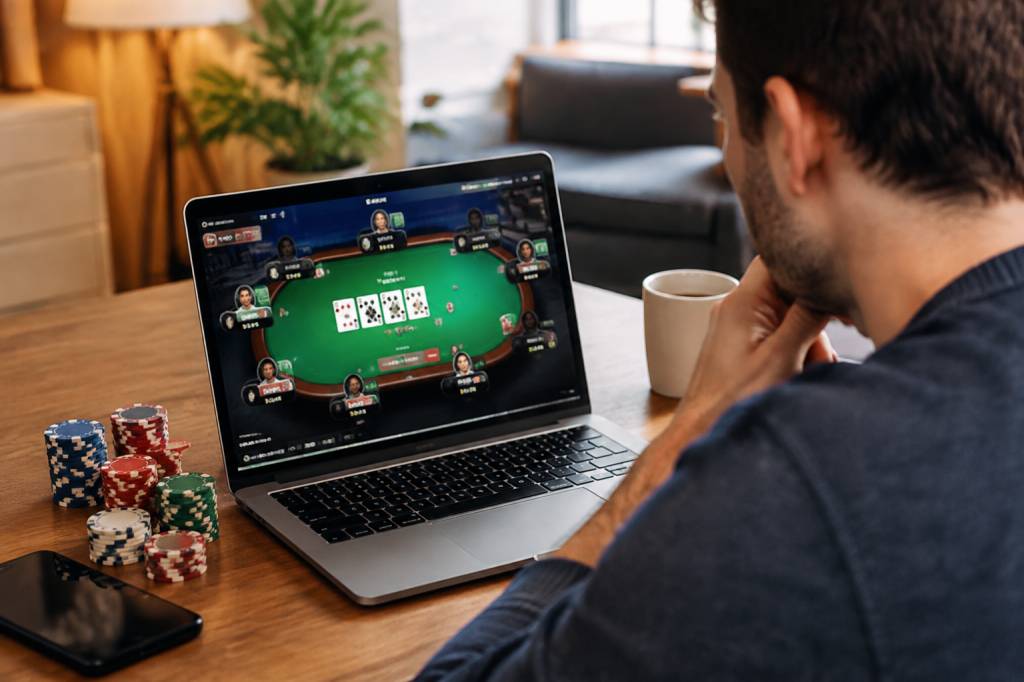

The PartyPoker Tour 2026 is on the radar for live poker fans looking for a mix of competitive tournament action, approachable buy-ins and the familiar buzz of a room full of players trying to look calmer than they feel. The obvious question is: when and where will the tour stop? The honest answer is that players should rely on PartyPoker’s official announcements for confirmed dates. A guessed calendar might make a tidy-looking blog post, but it is not much use when you are booking flights.
Until the complete 2026 schedule is confirmed, the smartest approach is to understand what the tour is likely to offer, how to track new announcements and how to prepare for a live series. Whether you are planning your first multi-table tournament or hoping to add another stop to a seasoned poker itinerary, here is what to watch for.
PartyPoker Tour 2026 dates: what is confirmed?
Event dates, venues and tournament schedules can change from one edition to the next. For that reason, do not treat a date circulating on a forum, social post or unofficial calendar as final unless PartyPoker or the host venue has confirmed it. The official PartyPoker website and its verified social channels are the best places to check for new tour announcements, registration details and updates.
When a stop is announced, look for more than just the opening day. A useful schedule should identify the venue, the full festival dates, the main event’s starting flights, the buy-in and the registration period. Those details matter: arriving on the first day of a festival does not necessarily mean the headline event starts that day.
Before making non-refundable travel plans, confirm the information directly with the organiser and the casino hosting the event. If a schedule changes, your poker face may survive; your airline’s change fee may be less forgiving.
Where to look for the official schedule
Start with PartyPoker’s own tour and live-poker pages. Once a 2026 stop is listed, check the venue’s event page as well. The two sources can provide different practical details, such as local registration instructions, accommodation options and the rules for entering a specific event.
-
Check that the announcement names the year, venue and exact festival dates.
-
Read the full tournament schedule, including start times and late-registration deadlines.
-
Confirm buy-ins, accepted payment methods and any qualification requirements.
-
Look for updates shortly before travelling, especially if you booked months in advance.
-
Use official customer support if a detail is unclear rather than relying on a third-hand post.
It is also worth checking whether online qualifiers are available. A satellite can offer a less expensive route into a live event, but its terms will specify exactly what the prize covers. A tournament seat is not automatically a hotel room, travel package or pocket full of spending money.
What events might players expect?
The exact 2026 line-up will depend on the published schedule, but a live poker tour generally offers more than one way to get involved. Players can usually look for a headline tournament, supporting events and formats aimed at different bankrolls or playing styles. Treat these as categories to watch for, not as a confirmed list of PartyPoker Tour 2026 events.
-
Main event: The festival’s marquee tournament, often spread across multiple starting flights. Players who bust one flight may have another chance, if the event rules allow re-entry.
-
Side events: Smaller tournaments that can offer a different buy-in, structure or pace. These are often a good fit for players who want tournament experience without committing to the main event.
-
Progressive or knockout formats: In these events, eliminating a player can earn a bounty. That adds an extra prize element, although chasing every bounty is not automatically good strategy.
-
Shorter-format tournaments: Faster structures can suit players with limited time, but blinds rise quickly. A short event is not necessarily an easy one.
-
Cash games and side action: Availability depends on the venue and its schedule. Check directly with the host casino for details and local rules.
Some festivals may also feature satellite tournaments, giving players a chance to win entry to a larger event for less than the full buy-in. Always read the satellite’s terms carefully: the prize might be a seat, tournament credit or a package with specific conditions.
What the live experience is really like
Online poker lets you play in your slippers. A live tour asks you to find the venue, take your seat on time and manage a long day without a convenient pause button. That change of pace is part of the appeal. You can observe the table, follow the action in person and experience the small rituals that never quite translate through a screen: chips clicking, cards sliding across the felt and someone announcing “all in” with a voice that is just a little too casual.
For first-time live players, the practical details can feel more intimidating than the cards. Registration may require identification, and the casino may have its own entry and age requirements. Arrive early enough to check in, find the tournament area and ask staff about anything you do not understand. Dealers and tournament staff are there to run the game, not to punish a beginner for asking where to post a blind.
At the table, pay attention to the action and wait your turn. Keep your cards and chips visible, announce your decisions clearly and ask the dealer if you are unsure about a rule. Good live etiquette is simple: act in turn, avoid exposing cards and do not discuss a hand while it is still being played. You do not need a mysterious stare to fit in. A sensible question is usually more useful.
How to prepare for a tour stop
Preparation starts well before the first hand. Once dates are official, compare the event schedule with your travel plans. If the main event has several starting flights, choose one that leaves enough room for delays and rest. Arriving exhausted and trying to play for ten hours is a strategy, technically, but not one most players would recommend.
-
Set a firm poker budget. Include the buy-in, travel, accommodation, meals and a reserve for ordinary expenses. Do not treat money needed for bills as tournament capital.
-
Read the structure. Starting stack, blind levels, breaks and registration rules affect how the event plays. A deeper structure gives more room for decisions; a faster one puts greater pressure on every orbit.
-
Plan your route and stay. Compare the venue’s location with public transport, parking and hotel options. Check cancellation terms before booking.
-
Bring what you need. Take valid identification, confirmation details, payment information and any documents required by the venue. Keep valuables secure.
-
Take care of yourself. Eat, drink water and take breaks when available. Fatigue can turn a straightforward fold into a dramatic conversation with your chips.
If you are newer to tournaments, practise playing with a clock and a set starting stack before travelling. You do not need to memorise every advanced concept. Knowing how blind levels work, when action is on you and how to keep track of your stack will make the first live session feel far more manageable.
Strategy: keep the basics sharper than the bluff
Live events can tempt players into making a memorable move just because the room feels important. Resist the urge to turn every hand into a story for the group chat. Pay attention to position, stack sizes and the action before you. A marginal hand that looks playable in the early levels may become awkward when a short stack moves all in behind you.
Watch how the tournament structure affects decisions. With a comfortable stack, you can avoid unnecessary high-variance spots. Near a payout jump, stack sizes and tournament circumstances may matter more than the value of a hand in isolation. That does not mean folding everything until the money; it means understanding what is at stake before committing chips.
Most importantly, do not confuse a dramatic bluff with a good one. A bluff needs a believable story, a suitable opponent and a board that supports the line you are representing. Sometimes the best play is a quiet fold. It may not earn applause, but it can keep you in the tournament long enough to find a better spot.
Online qualifiers and the road to the felt
Players who do not want to pay a full buy-in may want to look for official online satellites connected to a live event. These can make entry more accessible, particularly for players who already play online. Check the lobby and the tournament terms for the prize details, start time, eligibility and any restrictions on transferring or using an awarded seat.
Keep the satellite budget separate from your travel budget. Winning entry does not remove the cost of getting to the venue, and a ticket should never be treated as a reason to spend money you cannot comfortably afford. If you qualify, plan the trip just as carefully as you would for a direct buy-in.
What players should watch for next
The main things to look for in the PartyPoker Tour 2026 announcements are confirmed venues, the dates of each festival, the main event structure and the range of side events. Pay attention to whether the schedule includes multiple starting flights, lower-cost tournaments and online qualification routes. These details will tell you whether a stop suits your experience, budget and available time.
Until the organiser publishes its full calendar, patience is better than booking on a rumour. Once dates are confirmed, save the official schedule, check it again before travelling and build a realistic plan around the event. The cards may still deliver a bad beat, but at least your travel arrangements do not have to.
Play within your means, follow the venue’s rules and treat the tour as a competition rather than a guaranteed payday. The best preparation is a clear budget, a solid grasp of the schedule and the willingness to fold when the hand is not yours. That is true whether you are chasing a trophy or simply hoping to make it through the day without your coffee getting cold.