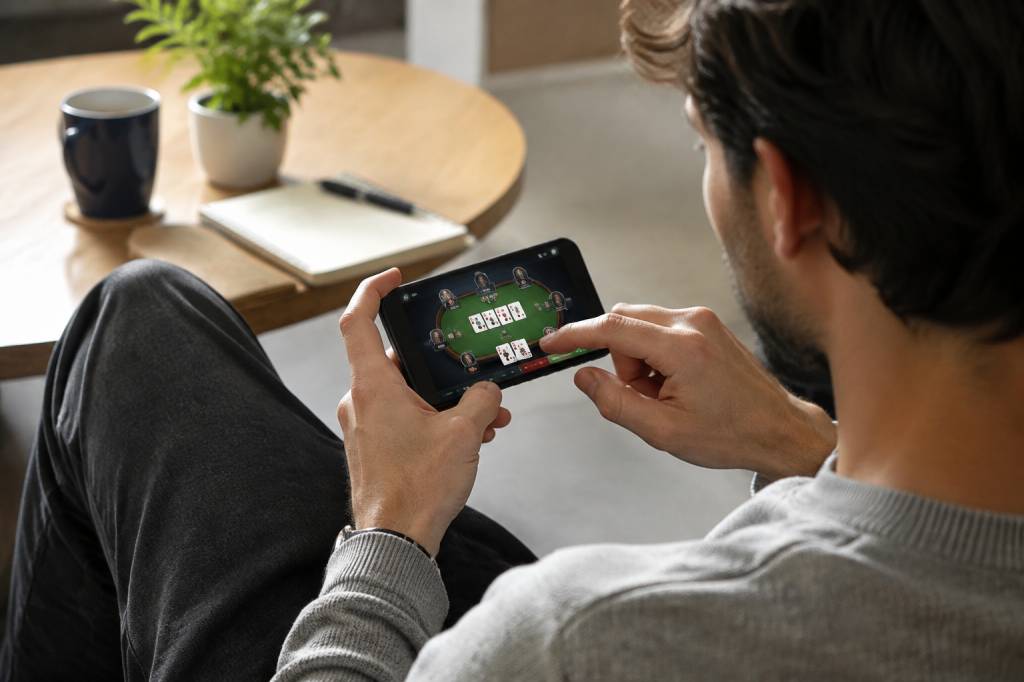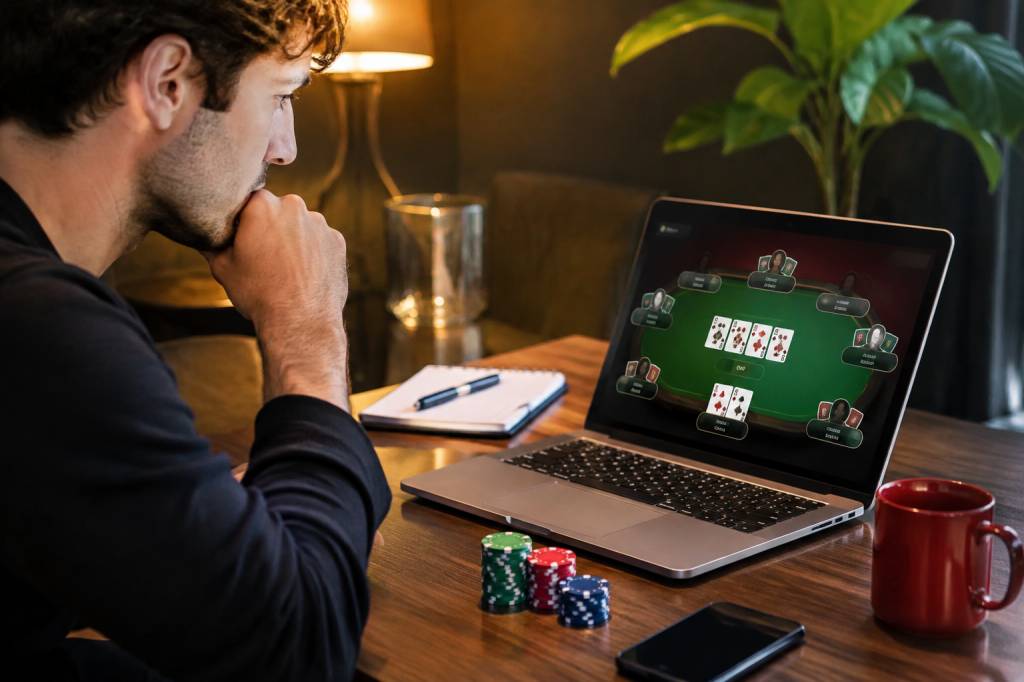
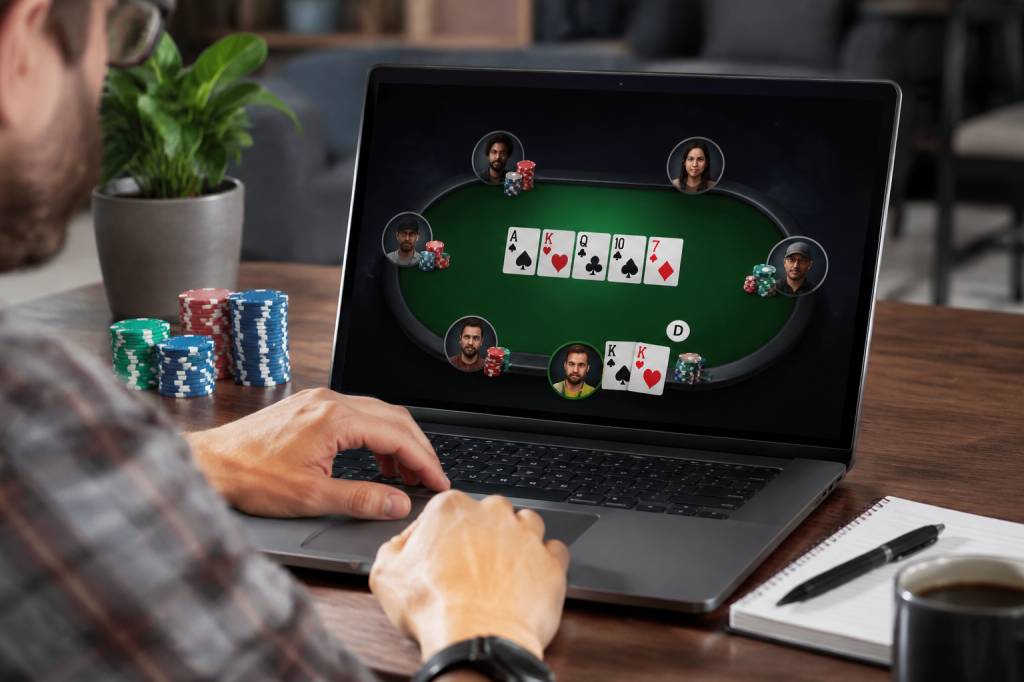
Cash-game poker has a simple promise: sit down, play a hand, and leave whenever you like. No tournament clock, no escalating blinds, no need to survive a field of hundreds just to reach the prizes. But that freedom comes with a catch. Every chip on the table represents real money, and a few rushed decisions can turn a promising session into an expensive lesson.
The good news? You do not need a secret formula or a dramatic poker face to get started. You need a clear understanding of how cash games work, a sensible stake, and a bankroll plan that can absorb the inevitable swings. Here is how to approach online cash games with a little less guesswork and a lot more control.
What makes a cash game different?
In a cash game, chips have a direct monetary value. If you buy in for $50, you are putting $50 at risk at that table. Blinds remain the same throughout the game, and you can usually leave between hands and cash out the chips you have left. If you want to return later, you can buy in again—provided the game and its rules allow it.
This is different from a tournament, where you pay an entry fee for a set number of tournament chips. Those chips are not usually exchangeable for cash, and the blinds typically rise over time. In a cash game, a losing stretch does not force you to play on; it does, however, test whether you can stop at the right moment.
Online tables often list stakes in a format such as $0.25/$0.50. These figures refer to the small blind and big blind. A table may also specify minimum and maximum buy-ins, so check those before sitting down. A $50 buy-in at one table may represent a full stack, while at another it may leave you short-stacked.
Choose a table that fits your experience
New players often gravitate toward the largest pot on the screen. It is an understandable impulse: big numbers look exciting. They also make mistakes more expensive. Start at a stake where losing a full buy-in would be frustrating, not financially disruptive. Poker is entertainment first, and no session should threaten money needed for rent, bills, food, or savings.
At lower stakes, you can learn how online games move without paying a premium for every lesson. Pay attention to table speed, the size of common raises, and how often players reach the showdown. The goal at first is not to out-bluff everyone. It is to make fewer costly decisions than you did last session.
Before joining, take a quick look at the table lobby. Check the stakes, number of players, buy-in range, and any posted game format. If the room offers several table types, choose one you understand. A familiar no-limit Texas Hold’em table is a better starting point than a fast, unfamiliar format with extra rules and a name that sounds like a rejected superhero.
Build a bankroll separate from everyday money
Your bankroll is the money you have set aside specifically for poker. It is not your entire bank balance, and it is not a credit line that you can refill whenever a session goes badly. Keeping it separate makes it easier to track results and stick to a limit.
There is no single bankroll rule that suits every player. The right cushion depends on your experience, how much variance your games involve, and whether you play recreationally or seriously. A cautious beginner may choose to keep at least 30 to 50 full buy-ins for the stake they play. For example, if your standard buy-in is $20, that could mean a dedicated bankroll of $600 to $1,000. More aggressive games or a higher appetite for security may call for a larger reserve.
These numbers are guidelines, not guarantees. A large bankroll cannot make a weak strategy profitable, and a skilled player can still run badly for a while. The purpose of a bankroll is to help you withstand normal swings without being forced to move up in stakes, chase losses, or dip into money meant for something else.
-
Set a poker budget before you play and keep it separate from household finances.
-
Choose a buy-in that fits your bankroll and the table’s rules.
-
Never borrow money or use essential funds to continue a session.
-
Track deposits, withdrawals, and results honestly, including losing sessions.
Manage your buy-in, not just your bankroll
Good bankroll management begins before the first hand. Decide how much you are willing to bring to the table, and treat that amount as your session stake. If you lose it, do not automatically reload. Ask whether you are still thinking clearly and whether another buy-in fits your planned budget. “I can win it back in one hand” is not a strategy; it is a very persuasive way to make a bad evening worse.
Many players prefer to buy in for the maximum allowed amount because a full stack gives them more options in later betting rounds. But a shorter buy-in may feel more comfortable for a beginner, particularly while learning how stack sizes affect decisions. Whichever you choose, be consistent enough to understand how it shapes your play. Changing your buy-in dramatically from hand to hand can make your results harder to assess.
Also decide in advance when you will leave. That might be after a set amount of time, after reaching a loss limit, or when fatigue begins to affect your decisions. A winning session is not a reason to play indefinitely, and a losing one is not a reason to keep going until the table “owes” you something. Cards do not keep a tab.
Play solid poker before you play flashy poker
In online cash games, the small decisions repeat constantly. Choosing which hands to play, where you sit relative to the dealer button, and how much to bet can matter more over time than one spectacular bluff. A straightforward approach gives you room to notice patterns and improve.
Position is especially useful. Players who act later in a betting round have seen more information before making a decision. Hands that are playable from a late position may be risky from an early one, where several opponents still have the chance to raise. You do not need to memorize a giant chart on day one, but you should understand that position changes the value of a hand.
Pay attention to the action before you. If several players have called a raise, a marginal hand may not be worth continuing with. If the board becomes dangerous and an opponent shows unusual strength, ask what hands they could reasonably have. Do not make a big call merely because you already invested chips. Money put into the pot is gone; the next decision should be based on the situation now.
Bluffing belongs in poker, but it is not a compulsory performance. A bluff is more believable when the story of your bets makes sense and the opponent is capable of folding. Trying to bluff someone who calls every street is like delivering a dramatic monologue to a brick wall—memorable, perhaps, but not especially profitable.
Make decisions with the full hand in mind
A common online mistake is focusing only on your own cards. Consider the board, the betting sequence, your opponent’s likely range of hands, and the size of the pot. If you are deciding whether to call, compare the amount you must pay with the pot you could win. You do not need to calculate every situation perfectly, but a quick estimate can prevent impulsive calls.
For example, suppose the pot is $30 and an opponent bets $10. You would need to call $10 to compete for a pot that would be $50 after your call. That means the price is more attractive than facing a $30 bet into the same pot. The hand still matters, of course, but pot size helps you judge whether a call is reasonable.
After a hand, review the decision rather than just the result. A correct call can lose, and a poor call can occasionally win. Poker rewards good decisions over time, not the ability to predict the next card. This is one reason a short hand history review can be more useful than celebrating a lucky river card for the rest of the evening.
Use online tools without letting them play for you
Online poker moves quickly, and playing several tables at once can make the action feel like a juggling act performed on a moving bus. Start with one table. Add another only when you can follow every hand without rushing. More tables may create more opportunities, but they also multiply distractions and make it easier to miss a bet size or a player’s tendency.
Use the site’s available history and statistics features to review your play, while following the platform’s rules. A simple spreadsheet can record the date, game, stakes, hours played, and net result. You might also note one decision you handled well and one you want to study. The point is not to obsess over every dollar; it is to replace vague impressions with useful information.
Be cautious with third-party software and automated tools. Poker platforms have different policies, and some programs may be restricted. Check the rules before using anything that tracks hands, displays statistics, or assists with decisions. A tool that gets your account flagged is not an edge.
Recognize tilt before it takes the wheel
Tilt is the name players give to emotionally driven decisions after frustration, excitement, or fatigue takes over. It can begin with a bad beat, but it can also follow a lucky win. Perhaps you start calling too much because an opponent has annoyed you, or you raise every hand because you feel invincible. Either way, the cards are no longer the only thing shaping your choices.
Look for personal warning signs: faster decisions, angry messages, bigger bets, repeated rebuys, or the thought that you must recover a loss immediately. When these appear, take a break or end the session. A few minutes away from the table can be more valuable than another hundred hands played on autopilot.
Set practical limits before logging in. Many licensed gambling sites offer deposit, loss, or time limits, as well as cooling-off tools. Use them if they help you stay within your plan. If gambling stops feeling entertaining or begins affecting your finances, relationships, or wellbeing, step away and contact a trusted person or a professional support service in your area. Follow the laws where you live and play only if you meet the legal age requirement.
A simple routine for your next session
A little preparation can make an online session calmer and more useful. Before you play, choose a legal, reputable platform, confirm the game and stakes, and decide your time and money limits. During play, focus on one table and make decisions based on the hand rather than your mood. Afterward, record the session and take a moment to review one or two key hands.
-
Pick a stake that is comfortable for your dedicated poker bankroll.
-
Set a session budget and a stopping point before joining a table.
-
Begin with one table and concentrate on position, bet sizes, and opponent actions.
-
Leave when your limit is reached or your decision-making gets sloppy.
-
Review decisions over time instead of judging your skill by one result.
Cash games reward patience as much as nerve. You will still see awkward folds, surprise raises, and the occasional river card that seems to have a personal grudge. That is part of the game. Keep your stakes sensible, protect your bankroll, and treat every session as a chance to make better decisions—not as a promise of profit. The best seat at the table is the one you can afford to leave.