
For casino and poker fans, betting sites can feel like the side door to the same old thrill: same rush, different table. One minute you’re grinding a Texas Hold’em session, the next you’re checking odds on a football match like it’s a river card with attitude. But if you’ve ever wondered how betting sites actually work, what makes them different from casino platforms, and how to use them without getting lost in the neon fog, you’re in the right place.
This guide breaks it down in plain English. No jargon parade, no empty hype. Just the essentials every casino or poker player should know before placing a sports bet, reading a line, or deciding whether that “sure thing” is really as sure as your mate claims after three beers.
What betting sites actually do
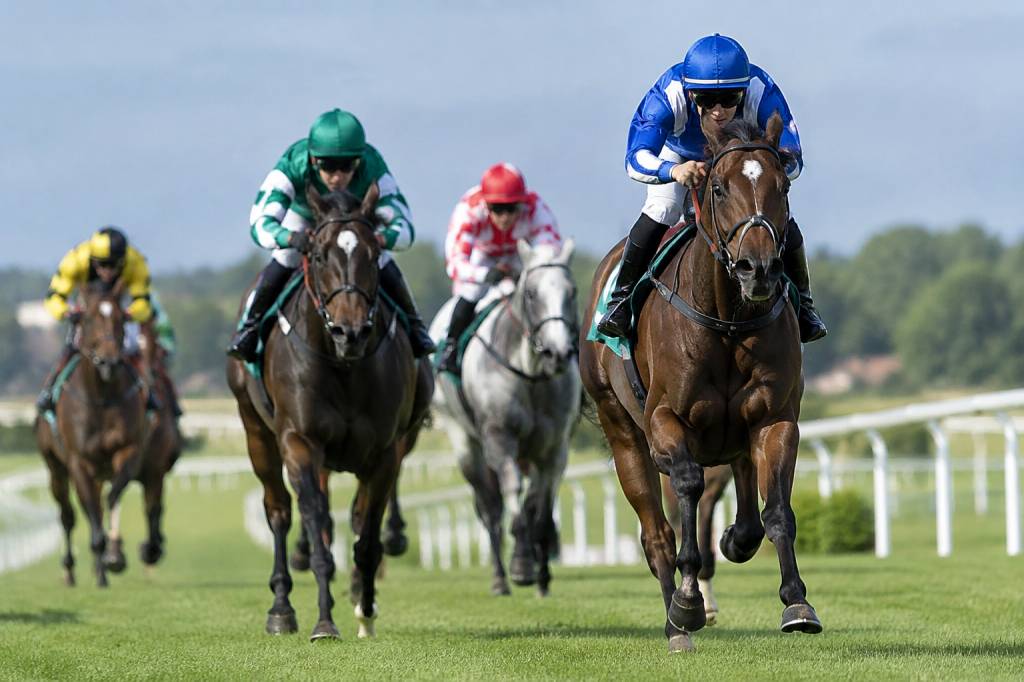
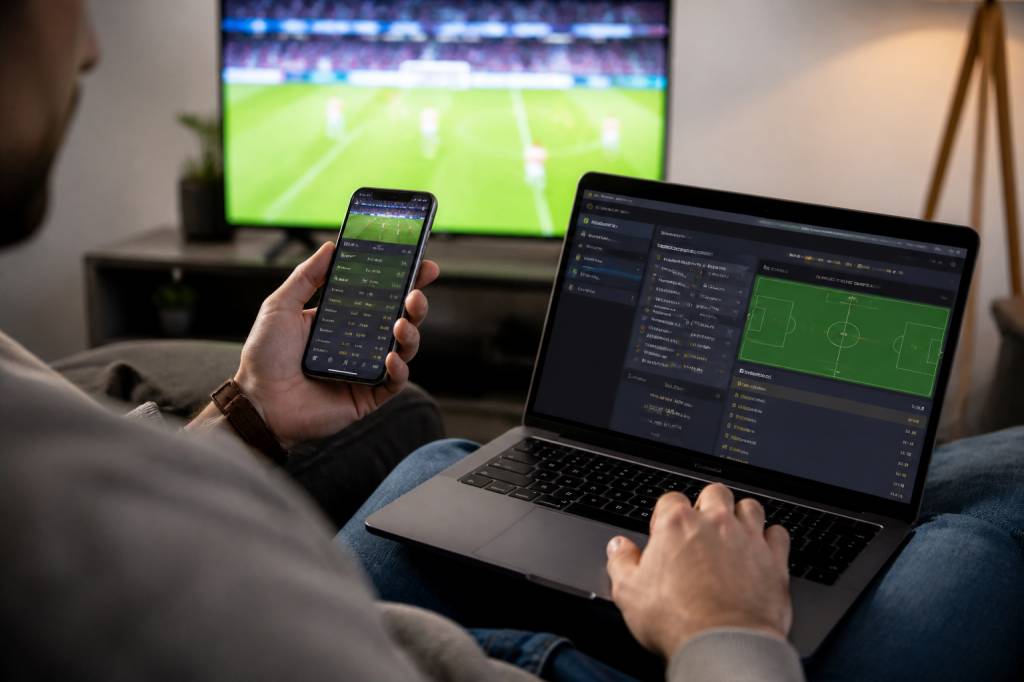
Betting sites are online platforms where you can wager money on events with uncertain outcomes. Most people think first of sports betting, and that’s fair. Football, tennis, basketball, horse racing, MMA, esports, and even niche events can all show up on a betting menu. The site gives you odds, you choose a market, place your stake, and if the outcome goes your way, you get paid based on those odds.
For casino and poker fans, the appeal is easy to understand. Betting sites tap into the same instincts: reading situations, spotting value, managing risk, and surviving the occasional brutal beat. The difference is that instead of cards or roulette wheels, you’re dealing with teams, players, and statistics that move like a live poker table after a bad river card.
The best way to think about betting sites is this: they’re not casinos, but they share the same DNA. They’re built around entertainment, risk, and probability. The main skill is not “predicting the future.” It’s making better decisions than the average punter.
How betting sites differ from casino and poker platforms
If you already spend time in casinos or poker rooms, betting sites will feel familiar in some ways and completely different in others. Casino games are usually driven by random number generators or fixed house rules. Poker is a battle against other players, with the casino taking a rake. Betting, on the other hand, is about pricing events correctly and finding odds that offer value.
That difference matters. In poker, you might outplay someone over hundreds of hands. In betting, the challenge is closer to spotting when the market has missed something. Maybe a football team is undervalued because of recent injuries that casual fans haven’t noticed. Maybe a tennis player is stronger on clay than the odds suggest. Same thrill, different battlefield.
Here’s a quick comparison:
- Casino games: You play against the house.
- Poker: You play against other players, with skill and psychology doing a lot of heavy lifting.
- Betting sites: You bet on outcomes, usually against the bookmaker’s odds.
That doesn’t mean betting is easier. It just means the edge comes from another place. Instead of reading a bluff, you’re reading a market.
Understanding odds without falling asleep
Odds are the heart of any betting site, and they look scarier than they are. Once you get them, you’re already ahead of a lot of casual bettors who just click numbers that “feel right.” That approach is about as stable as going all-in with seven-deuce because it has “vibes.”
There are three common formats you’ll see:
- Decimal odds: Common in Europe and very easy to read. If the odds are 2.50 and you stake 10, your total return is 25 if you win.
- Fractional odds: Often used in the UK. Odds like 5/2 mean you win 5 for every 2 staked, plus your stake back.
- American odds: Shown as positive or negative numbers, like +150 or -200. These are common in the US market.
For most players, decimal odds are the cleanest. They tell you instantly how much you get back. If a market is listed at 1.80, that means the bookmaker thinks the outcome is fairly likely. If it’s 4.00, the outcome is less likely but pays more. Simple enough, until you start chasing every “bargain” and discover that value and fantasy are not the same thing.
The key idea is implied probability. Odds aren’t just prices; they’re estimates of chance. The lower the odds, the higher the implied chance. The higher the odds, the less likely the event is considered to happen. Learning to see that relationship is a massive step up for anyone coming from casino or poker backgrounds.
What makes a betting site worth using
Not all betting sites are created equal. Some are slick, reliable, and generous with features. Others are clunky, slow, and about as trustworthy as a player who “totally had the nuts” but forgot to show the hand. If you’re choosing a platform, focus on a few essentials.
- Licensing and regulation: Always check that the site is licensed by a recognized authority. This is the first sign it takes security and fairness seriously.
- Odds quality: Slight differences in odds can matter a lot over time. Better odds mean better long-term value.
- Payment methods: Look for fast deposits, straightforward withdrawals, and minimal fees.
- Market variety: A good site offers more than just match-winner bets. Think handicaps, totals, player props, and live betting.
- Live betting: If you like the adrenaline of a fast-moving game, in-play markets can be a lot of fun.
- Mobile experience: A smooth app or mobile site matters more than people admit, especially when a game turns chaotic.
For poker players, the user interface matters in a different way. You’re already used to clean tables, readable stats, and quick decisions. A messy betting site will feel like trying to multi-table on a screen covered in sticky notes. Nobody wants that.
Popular bet types you’ll actually see
Betting sites can look overwhelming at first because they throw a lot of options at you. But most bets fall into a few common categories. Once you understand these, the rest becomes much less intimidating.
Moneyline or match winner: Pick the winner of the game or match. Simple and popular.
Point spread or handicap: Used to level the playing field. One team gets a head start or disadvantage in the bet.
Over/under: You bet on whether the total score will be over or under a set number.
Player props: Bets on individual player performance, such as goals, assists, aces, or points.
Accumulator or parlay: A bundle of multiple bets. The payout can look tempting, but one wrong leg and the whole thing collapses like a poker table after a bad beat story.
Live bets: Bets placed while the event is happening. These move fast and require attention, not panic clicking.
For casino fans, parlays can feel a lot like chasing a jackpot. The payout is sexy, but the risk multiplies quickly. For poker players, it’s worth remembering that higher reward usually means lower hit rate. That’s not a trap. It’s the price of admission.
Why casino and poker fans often enjoy betting
There’s a reason so many players who love blackjack, slots, or poker also gravitate toward betting sites. It’s not just about gambling. It’s about engagement. Betting gives you a reason to follow a match more closely, sweat a final set, or obsess over injury news like a coach with too much coffee.
Poker players often appreciate betting because it rewards observation. You start noticing trends, lineup changes, form, and market movement. That’s not so different from identifying weak players, table dynamics, or timing tells. It’s a different arena, but the same competitive itch.
Casino fans tend to enjoy the instant tension. Every bet can create a mini-drama. One goal, one break point, one last-minute basket, and suddenly your evening has a plot twist. It’s entertainment with stakes attached, which is exactly why bankroll control matters so much.
Bankroll management is not optional
If you take one thing from this article, let it be this: bankroll management is the difference between smart entertainment and expensive chaos. The fastest way to ruin betting sites is to treat every wager like a must-win mission.
Set a dedicated bankroll for betting. This should be money you can afford to lose without turning the rest of your week into a grim documentary. Then decide in advance how much to stake on each bet. Many experienced players keep stakes small, often around 1% to 5% of their bankroll depending on confidence and strategy.
Why so conservative? Because variance is real. Even strong bets lose. Even excellent runs cool off. Even the “best lock of the century” can turn into a facepalm by halftime. Sound familiar? If you’ve played poker long enough, it should.
A few useful habits:
- Set a loss limit before you start.
- Avoid increasing stakes after a bad run.
- Don’t chase losses like they owe you money.
- Keep records of your bets and results.
- Treat bonuses as extras, not guarantees.
Bonuses and promotions: useful or just shiny bait?
Betting sites love promotions. Welcome bonuses, free bets, enhanced odds, cashback, odds boosts, and loyalty rewards are all part of the game. Some are useful. Some are marketing dressed up in a tuxedo.
The trick is to read the terms. A bonus might look generous, but if it comes with high wagering requirements, short expiry dates, or restricted markets, it may be less attractive than it first appears. That doesn’t mean bonuses are bad. It means you should evaluate them like any other offer: what do I get, what do I need to do, and what are the hidden catches?
For casino and poker fans used to house edges and rake, this won’t be shocking. The offer is never just the headline. The details are where the value lives or dies.
Live betting adds another layer of fun
Live betting, also called in-play betting, is where things get spicy. Odds update as the event unfolds, letting you react to momentum shifts, injuries, tactical changes, or a team that suddenly remembers how to defend. It’s one of the most exciting features on modern betting sites.
But excitement can become overexcitement very quickly. Live betting rewards attention and discipline. If you’re watching a match closely and understand the dynamics, it can be a sharp tool. If you’re clicking every market because the odds are moving and your heart rate is doing the same, that’s a different story.
For poker players, live betting should feel familiar in one important way: timing matters. Not every spot is worth taking, and not every movement in the market represents genuine value. Sometimes the best play is to wait for a better number instead of forcing action.
Common mistakes beginners make
Most betting mistakes are not mysterious. They’re the usual suspects, wearing different hats.
- Betting without a plan: Random bets lead to random results.
- Chasing losses: One bad run can become a disaster if you start doubling down emotionally.
- Ignoring odds value: Picking winners is not enough if the price is terrible.
- Overloading parlays: Yes, the payout looks nice. Yes, the risk is brutal.
- Skipping site research: A bad platform can cost you time, money, and patience.
- Confusing entertainment with strategy: Fun is great. Blind optimism is not.
If you’ve ever seen a poker player tilt after a bad beat, you already know how emotional decisions snowball. Betting sites are no different. The interface may be cleaner than a smoky poker room, but human psychology is still running the show.
How to approach betting like a smart player
The best way to enjoy betting sites is to treat them as a skill-based entertainment space, not a shortcut to easy money. Learn the odds. Understand the markets. Compare prices between sites when possible. Use small stakes. Focus on value instead of gut feeling alone.
That mindset works especially well for casino and poker fans because you’re already used to uncertainty. You know that good decisions and good outcomes are not the same thing. You know variance can be cruel. You know that discipline usually beats impulse in the long run, even if impulse has a louder personality.
And that’s the real secret. Betting sites are exciting because they turn ordinary games into active decisions. But the fun lasts longer when you stay sharp, keep your bankroll intact, and avoid confusing confidence with certainty.
So the next time you’re between a poker session and a casino spin, or watching a match with one eyebrow raised at the odds, you’ll know exactly what you’re looking at. Not magic. Not mystery. Just a marketplace of risk, priced for people who understand that the smartest bet is usually the one made with a clear head and a steady hand.