


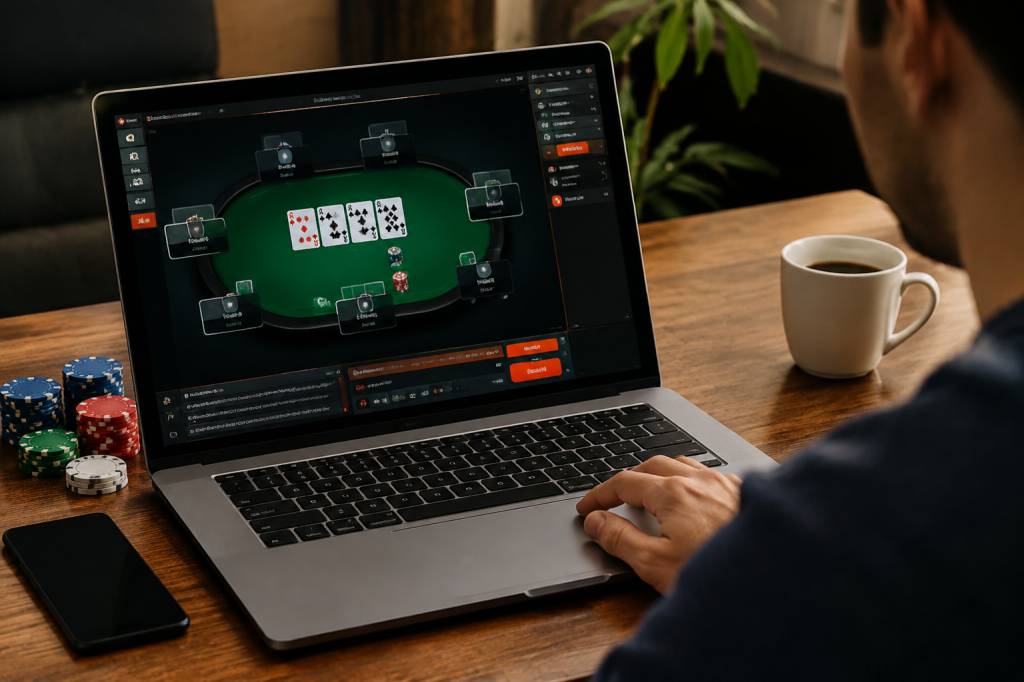
PartyPoker’s name puts poker front and centre, but depending on where you live, the platform may also offer casino games or connect you to a broader selection of online entertainment. That makes one question worth answering before you sign up: what exactly can you play, and how do you approach it without letting a lively session turn into an expensive one?
Here’s my practical tour of the PartyPoker experience: how I’d explore the platform, what to check before depositing, and a few habits that help keep the fun in the game. Availability, games, promotions and rules can differ by country, so treat the details shown in your own account as the final word.
First, what does “PartyPoker casino” mean?
PartyPoker is best known as an online poker brand. In some markets, players may also find casino games—such as slots or table games—through the same site or a related offering. In others, casino games may not be available at all. The exact setup depends on local licensing and the operator’s current products.
That distinction matters. A search for “PartyPoker casino” can bring up information that applies to a different country, an older version of the site, or a separate brand in the same wider business group. Before registering, check the official website for your location and look for its licensing and responsible-gambling information.
I also separate the games in my head. Poker involves competing against other players, with decisions shaped by cards, position and the action at the table. Casino games generally pit the player against the game’s rules and odds. One may reward strategic choices over time, while neither offers a reliable way to make money. Different table, same sensible rule: don’t wager money you need for something else.
My first steps on the platform
When I try a new gaming site, I don’t begin by chasing a bonus or jumping into the busiest poker table. I take a few minutes to make sure the basics are clear. It’s not glamorous, but neither is discovering a withdrawal condition after you’ve already played.
-
Confirm the official site and local availability. Use the site intended for your country, and make sure online gambling is legal where you are.
-
Check the licence and age rules. Only adults who meet the legal age requirement in their jurisdiction should use gambling services.
-
Review the cashier options. Check deposit methods, withdrawal methods, processing times and any fees that may apply.
-
Read the key terms. Pay attention to account verification, bonus conditions, game restrictions and withdrawal requirements.
-
Set limits before playing. Decide on a spending limit and a time limit while you’re calm—not after a thrilling river card or a slot run that refuses to end.
Registration may require identity and address checks, either when you open an account or before you withdraw. That’s a routine part of regulated gaming, but it’s still worth knowing what documents may be requested. Enter accurate details and use a payment method in your own name; mismatched information can create avoidable delays.
How I approach poker there
In poker, I like to start with the lobby rather than my ego. The lobby can show formats, stakes, table sizes and tournaments, though what’s available will vary. I’m looking for a game that fits my budget and experience—not a seat at the biggest table simply because it’s visible.
If I’m new to a particular format, I’ll begin at the lowest stakes available or use a permitted play-money option if the site offers one. That gives me space to learn the software and pace of play. It also helps me notice practical details: how the table controls work, where the hand history appears and whether I’m comfortable playing on a phone or desktop.
Here’s a simple example. Suppose I set aside a small, fixed amount for a poker session. I choose a cash-game stake where a few lost pots won’t swallow the whole budget, and I decide in advance how long I’ll play. If I lose the session limit, I stop. If I win early, I don’t automatically move up in stakes. A good run can make a player feel invincible; the cards have never read anyone’s victory speech.
For tournaments, I check the buy-in, starting stack, blind structure and expected duration before entering. A low entry fee can still mean a long evening, and re-entry options can make it easy to spend more than planned. I choose a maximum tournament spend beforehand and stick to it.
As for strategy, the basics travel well from one poker room to another: play fewer weak hands, consider your position, pay attention to betting patterns and avoid making a decision just because you’re bored. Poker rewards patience often enough to make impatience look especially costly.
Trying the casino games, if they’re available
If your local PartyPoker offering includes casino games, take time to understand each game before wagering. A slot’s theme may be charming, but its paytable, volatility and features matter more than the animated treasure chest. Read the game information and rules, and check whether a demo mode is available in your region.
For table games such as blackjack or roulette, learn the rules and payouts before placing a bet. Small differences in game variants can change how a round works. A live-dealer table may also have different limits from a standard digital game. Don’t assume that two games with the same name are identical.
One useful distinction is between entertainment and expectation. A casino game’s outcome is uncertain, and past results don’t tell you what the next spin or hand will do. A roulette wheel that has landed on red several times is not “due” to land on black. That’s a classic way for a perfectly ordinary session to become a very memorable—and very avoidable—one.
I’d start with a small entertainment budget, choose a game I understand, and avoid raising stakes to recover losses. No strategy, system or tip can guarantee a win. If the experience stops being enjoyable, step away.
Bonuses: read beyond the headline
Welcome offers and other promotions can look attractive, but the headline amount rarely tells the whole story. Terms may include a minimum deposit, wagering requirements, an expiry date, maximum bet limits or restrictions on which games contribute toward playthrough. The rules can also differ between poker and casino promotions.
Before opting in, ask yourself whether you would make the same deposit without the offer. If the answer is no, pause and read the terms carefully. A bonus is not free cash if you must meet conditions to withdraw associated funds, and it should never be a reason to spend more than you planned.
Look for the specific details in the promotion’s terms rather than relying on a banner or a third-party summary. If something is unclear, contact customer support before accepting. It’s a much calmer conversation before a deposit than after a misunderstanding.
Deposits, withdrawals and account security
Payment options vary by country and account, so check the cashier for the current list. Before depositing, confirm any minimum or maximum amounts and whether the same method can be used for withdrawals. Processing times may depend on verification, payment providers and local banking rules.
For better account security, choose a strong, unique password and enable any additional security features the site offers. Don’t share your login details, and be cautious with messages that ask you to follow an unfamiliar link or provide sensitive information. If an email claims there’s an urgent account problem, visit the official site directly instead of using its link.
Keep a record of deposits and withdrawals. It makes budgeting easier and helps you spot a transaction you don’t recognise. If an account or payment issue arises, contact support through the official channels and keep relevant messages or transaction references.
Responsible play is part of the plan
Limits work best when they’re set before the first hand or spin. Depending on the platform and local rules, tools may include deposit limits, session reminders, time-outs or self-exclusion. Take a moment to find them in your account settings. They’re practical controls, not signs that you expect to fail.
-
Set a gambling budget that does not affect bills, savings or everyday essentials.
-
Decide how long you’ll play, and take breaks away from the screen.
-
Never borrow money or chase losses by increasing your stakes.
-
Avoid gambling when upset, under pressure or impaired by alcohol or drugs.
-
Use a time-out or self-exclusion option if you need a break, and seek help if gambling is causing harm.
If you find yourself hiding play, spending more than intended, or feeling unable to stop, don’t try to solve it by placing one more bet. Reach out to a trusted person or a recognised gambling-support service in your area. If you’re supporting someone else, a calm, non-judgmental conversation can be a helpful first step.
Who might enjoy PartyPoker?
PartyPoker may suit players who want to explore poker formats and, where offered, casino games through a familiar online account. The right fit depends on what’s available in your jurisdiction, the stakes you’re comfortable with and how easy you find the site to use. Beginners can benefit from taking things slowly; experienced players may prefer to compare formats, tournament schedules and table options.
My approach is straightforward: verify the local site, learn the rules, set limits and treat every session as paid entertainment—not an income plan. Start small, read the fine print and leave the table when your time or budget is up. That may not sound as dramatic as a river bluff, but it’s a much better way to keep the game enjoyable.