


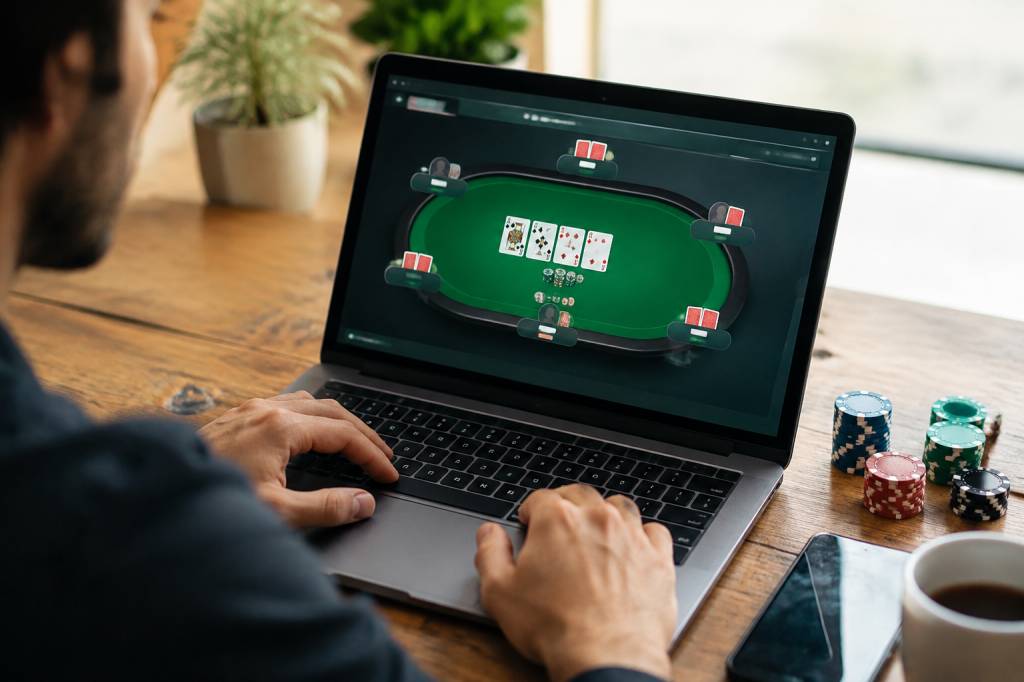
Choosing an online poker website can feel a little like sitting down at a new table: the cards may look familiar, but you still want to know who is dealing. A polished homepage and a generous welcome offer can catch your eye, yet neither tells you whether the site is licensed, secure, or suited to the way you like to play.
The good news is that a careful check takes less time than a long-handed poker session. Before you deposit, look at the operator’s licence, payment rules, game selection, and player protections. Here is a practical guide to finding a trusted place to play—and spotting the warning signs before they become an expensive bad beat.
Start with licensing and regulation
A trustworthy poker website should clearly state which authority licenses and regulates it. Look for this information in the footer or in a section called “About,” “Legal,” or “Licensing.” Then check the regulator’s own website to see whether the licence is valid and whether it applies to the company operating the poker room.
Rules differ by country and region. A site that is permitted to serve players in one place may not be available or lawful where you live. Check your local requirements before creating an account, and do not try to get around restrictions with false details or location-masking tools. A legitimate operator will explain where it accepts players and what rules apply.
Regulation matters because it sets standards for areas such as player funds, identity checks, complaints, and game fairness. It is not a magic shield against every problem, but it gives you a clear place to turn if something goes wrong. If a site makes bold claims about being “fully licensed” but does not name the regulator, treat that like a suspicious raise: pause and investigate.
Check the operator’s reputation
Search for the poker room’s name alongside terms such as “withdrawal,” “support,” and “complaint.” Pay attention to recurring patterns, not just one dramatic story. A single unhappy review may reflect a misunderstanding; repeated reports of delayed withdrawals, unexplained account closures, or unresponsive support deserve closer attention.
Read reviews from more than one source and check when they were published. An operator’s service can change over time, and an old glowing review may describe a very different experience from the one available today. Look for specific details: Did the reviewer explain what happened? Did the company respond? Was the issue resolved?
Online comments are useful clues, not court verdicts. Some complaints arise because a player did not complete identity checks or misunderstood a bonus rule. That is why the next step is just as important: read the terms yourself before you deposit.
Read the terms before accepting a bonus
Welcome offers can add a little extra to your bankroll, but the biggest number on the banner is not necessarily the best deal. A bonus may come with wagering requirements, expiry dates, game restrictions, maximum cash-out limits, or deposit conditions. In poker, “play-through” rules may refer to the amount of eligible activity you must complete before bonus funds or winnings can be withdrawn.
For example, a site might advertise a large bonus but release it in small portions as you earn points or play eligible hands. If you rarely play, those conditions may be difficult to meet before the offer expires. A smaller promotion with clear, achievable terms could be more useful than a headline-grabbing offer that sits in your account like a chip you can’t cash in.
Before opting in, find answers to these questions:
- Do you have to enter a code or opt in before making a deposit?
- Which games or tables count toward the offer?
- How long do you have to meet the requirements?
- Can the bonus be withdrawn, or is it only used to play?
- What happens to the bonus if you withdraw early?
If the terms are hard to find, written in confusing language, or appear to change between pages, do not rush. You are choosing a poker room, not trying to beat a countdown timer.
Look for security and fair play information
Before entering personal or payment details, check that the website uses a secure connection. Your browser should show “https” and a padlock symbol in the address bar. This helps protect information as it travels between your device and the site, though it does not, by itself, prove that the operator is trustworthy.
Find out how the company handles your data. Its privacy policy should explain what information it collects, why it collects it, and how you can contact the operator about your account. Reputable sites also use identity checks to protect accounts and meet legal requirements. These checks can feel like an unnecessary detour when you are eager to play, but completing them early may prevent delays when you request a withdrawal.
For online poker, fairness information matters too. Look for an explanation of how games are operated and how the software is tested. Some sites describe independent testing or publish details about their security and game integrity measures. Be cautious of promises that no fair operator could honestly make, such as guaranteed wins or a system that can predict every opponent’s cards.
Compare the games and player traffic
The right poker website depends on how and when you like to play. Check which formats are available: cash games, tournaments, sit-and-go events, or fast-fold tables. If you enjoy a quiet evening of low-stakes play, a room built around high buy-in tournaments may not be your ideal seat. If you are chasing the buzz of a large event, a small schedule may leave you waiting longer than you’d like.
Player traffic affects your options. A busy room may offer more tables and tournament times, while a smaller site can still suit you if its games match your interests. Browse the lobby before depositing, if the site allows it. Note the stakes, the number of active tables, and whether events are running at the times you usually play.
Do not choose a room solely because it has the highest stakes or the loudest tournament guarantee. The goal is to find games that fit your budget and experience. A beginner who is learning the rules may prefer low-stakes tables with a slower pace, rather than jumping into a shark tank and wondering why the water suddenly feels expensive.
Understand deposits, withdrawals, and fees
Payment options should be easy to understand and suitable for your country. Check which methods are accepted, whether deposits or withdrawals carry fees, and how long each transaction usually takes. The site’s cashier page should also explain minimum and maximum transaction limits.
Pay special attention to withdrawal rules. Some operators require you to withdraw through the same method used for depositing, while others may request extra documents before releasing funds. This can be normal, particularly where identity and anti-fraud checks are required, but the rules should be explained in advance.
Imagine you have a good session and request a withdrawal, only to discover that your payment method is not supported for payouts. That is the sort of surprise no one wants after stacking a decent pot. Read the cashier information before you fund your account, and contact support if anything is unclear.
It is sensible to start with a small deposit, within your budget, while you learn how the site works. Never deposit money you need for rent, bills, food, or other essentials. Poker involves skill, but it also involves chance; even strong decisions do not guarantee a winning result.
Test customer support before you need it
Good support is easiest to appreciate before you have a problem. Check whether the site offers live chat, email, or telephone assistance, and note its stated operating hours. Send a simple question about a payment method, account verification, or tournament rule. The response can tell you a lot about how clearly the company communicates.
Look for answers that are specific, polite, and consistent with the site’s published terms. A fast reply is useful, but a confident-sounding answer that avoids your question is not. Save important messages and keep records of deposits, withdrawals, and account correspondence. If you ever need to raise a complaint, clear documentation can make the process easier.
Check the mobile experience and software
If you play on a phone or tablet, test the mobile site or app before committing. Can you read the table clearly? Are the buttons easy to use? Does the cashier work properly on your device? A beautiful app is no help if the fold button is hiding under your thumb at the exact wrong moment.
Download apps only through official channels, such as the operator’s own website or an authorized app store. Avoid files sent by strangers or links in unsolicited messages. Keep your device and software updated, use a strong, unique password, and turn on extra account security if it is available.
Try a free-play or practice option if the site offers one. It can help you learn the interface without risking money. Just remember that play-money tables may feel different from real-money games, so treat them as a way to explore the software, not as a promise of how paid games will go.
Choose limits and use player protections
A trusted poker website should provide tools that help you stay in control. These may include deposit limits, time reminders, cooling-off periods, and self-exclusion options. Check where these settings are located before you play. They are easier to use when you already know how they work.
Set a budget and a time limit before opening a table. Treat poker spending as entertainment, not as a way to earn steady income or recover past losses. If you hit your limit, stop. Chasing a losing session is a bit like calling every bet because you are convinced the next card owes you a favour—it doesn’t.
If gambling starts to affect your finances, mood, work, or relationships, take a break and seek support. A responsible operator should make help and self-exclusion information visible, not bury it behind a maze of menus. You can also contact gambling support services available in your region.
A quick checklist before you sign up
Before creating an account or making a deposit, run through this short checklist:
- The site names a regulator, and its licence can be checked independently.
- The operator’s identity, terms, privacy policy, and complaint process are easy to find.
- Reviews show no persistent, unresolved pattern of serious complaints.
- Bonus rules, payment methods, withdrawal times, and possible fees are clear.
- The games, stakes, and tournament schedule suit your experience and budget.
- Customer support is reachable and gives useful answers.
- Security features and responsible-play tools are available.
No single feature can guarantee a perfect experience, but several clear, verifiable signs add up to a much stronger choice. Take a few minutes to check the details, start cautiously, and play only where it is legal for you to do so. The best online poker room is not simply the one with the flashiest welcome offer; it is the one where you understand the rules, feel secure, and can enjoy the game on your own terms.