


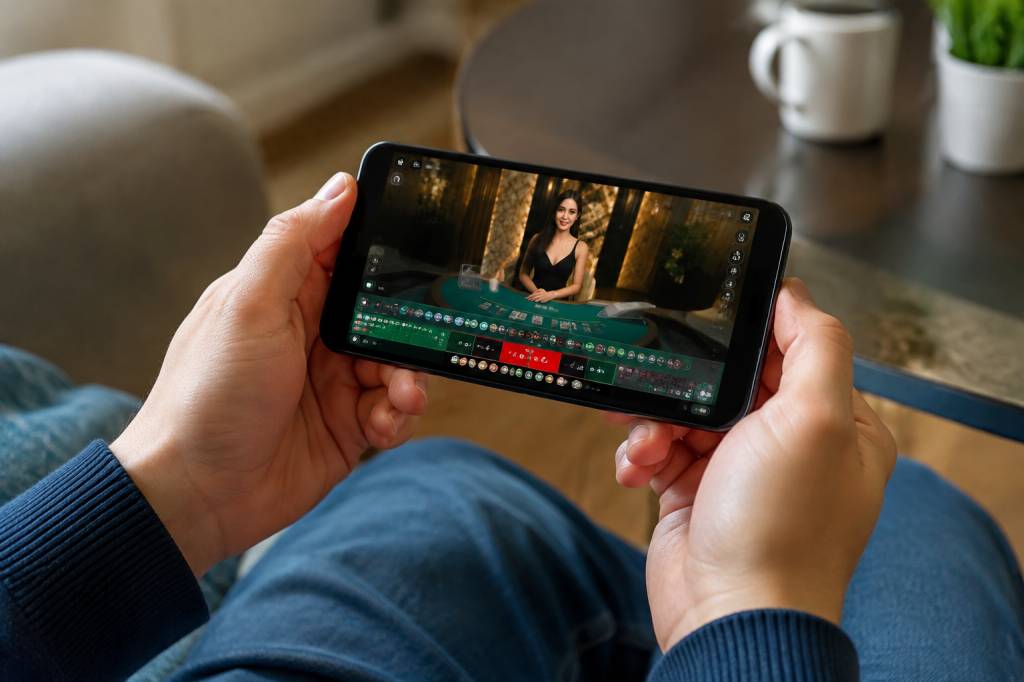
The first time I tried a live dealer game on my phone, I expected the experience to feel like watching a tiny casino through a keyhole. Instead, I found myself following a roulette wheel in real time while waiting for a coffee. The screen was small, the stakes were modest, and the dealer was very much not impressed by my cappuccino order. It was surprisingly smooth—and it taught me that mobile live casino play works best when you prepare for it like a proper session, not a quick tap between errands.
Live dealer games bring a human host and a streamed table to your device, combining the pace of online play with some of the atmosphere of a casino floor. But a phone adds its own variables: battery life, connection quality, screen size, and the temptation to play wherever you happen to be. Here’s how I approach live dealer games on mobile, from choosing a table to keeping the fun in check.
What makes a live dealer game different?
In a standard digital casino game, the action is generated by software. In a live dealer game, a real host runs a physical table, while cameras stream the action to players. Depending on the game, you might see a roulette wheel, cards being dealt, or a game-show-style setup. You place bets through the interface, and the dealer manages the live round.
That human presence changes the rhythm. There are pauses while bets are placed, a dealer explaining what happens next, and the occasional moment when the wheel seems to take its sweet time. I like that measured pace. It gives you a little breathing room between decisions—useful when your other option is making a snap bet because your thumb got impatient.
Common mobile live dealer options include:
-
Live roulette: A familiar wheel-and-number format, often with several table limits and variants.
-
Live blackjack: A dealer handles the cards while you choose whether to hit, stand, or make other permitted decisions.
-
Baccarat: A comparatively straightforward format where you wager on one of the available outcomes, subject to the game’s rules.
-
Live game shows: Hosted games with their own rules, bonus rounds, and faster-moving presentation.
The exact selection varies by casino, location, and provider. Before playing, check the rules and availability where you live; online gambling is regulated differently from one jurisdiction to another.
My first step: choosing the right table
On a phone, the first table you see is not automatically the right one. I start by checking the minimum and maximum bets. A table with a low minimum gives me room to learn the interface without making every round feel like a high-stakes final hand. If I’m trying a game for the first time, I’d rather understand the buttons before I worry about the action.
I also look at the table’s pace and format. Some tables move briskly, while others leave more time to make a decision. If the game has side bets or special features, I take a moment to read the rules rather than assume they work the same way as another version. “It looks familiar” is not quite a strategy—especially when the unfamiliar button is attached to your balance.
When available, I’ll watch a round or two before joining. This gives me a chance to see how the betting window works, where the controls appear, and whether the stream is clear on my device. It’s a simple habit, but it can save you from joining at the wrong moment and scrambling to figure out the layout while the countdown ticks away.
Getting my phone ready before the stream starts
A live stream is only enjoyable if it runs reliably. Before opening a table, I check that I have a stable internet connection. Wi-Fi is often convenient, but a solid mobile data connection can work too. If the video keeps freezing or falling behind, I don’t keep placing bets and hope for the best. I pause, check the connection, and rejoin only when the game is clear. Guessing what happened in a round is a poor substitute for watching it.
Battery life matters more than you might think. Video streaming can drain a phone quickly, so I avoid starting a longer session with a nearly empty battery. I also close apps I don’t need and make sure my browser or casino app is up to date. These are not glamorous rituals, but neither is watching your screen dim just as the dealer begins a hand.
Screen size is another practical detail. Most mobile casino interfaces are designed for smaller displays, but text and controls can still feel cramped. I use portrait or landscape mode depending on what the game supports, and I check that I can clearly see the betting options and table information. If the interface is difficult to read, I don’t rush. A few extra seconds spent adjusting the view beats tapping the wrong area.
How I handle the mobile interface
Once I’m at the table, I take a quiet minute to learn the layout. I locate the current balance, chip values, betting area, game history if available, and any settings. In blackjack, for example, I want to know where the action buttons appear before I need to use them. In roulette, I check how to select a number or chip amount and how to clear a bet.
Many games provide a countdown before betting closes. That timer can create a little pressure, but I try not to let it make decisions for me. If I’m not ready, I skip the round. There will be another one. The wheel does not need my contribution every spin, and the dealer will carry on without a dramatic farewell.
Before confirming a wager, I double-check the amount and placement. Touchscreens are convenient, but they are not mind readers. A stray tap can add a chip where you didn’t intend one. If the game offers an undo or clear option, learn where it is—but don’t rely on it being available after betting closes.
Setting a budget before the first bet
The most useful mobile feature is not a fancy camera angle; it’s the ability to decide in advance when to stop. I set a budget for entertainment before I join a table, and I treat that amount as money I can afford to lose. Gambling outcomes are uncertain, and no betting pattern can guarantee a win or reliably turn a game into income.
I also decide how long I plan to play. A time limit helps when a session is more engaging than expected, especially on a phone that’s always within reach. I might set a reminder, take a break between games, or log out when the planned session ends. If I notice that I’m chasing losses, increasing stakes out of frustration, or playing longer than intended, that’s my cue to step away.
Helpful habits include:
-
Choose a spending limit before opening the game, and don’t top it up impulsively.
-
Set a session timer and take breaks away from the screen.
-
Keep gambling separate from money needed for bills, savings, or other essentials.
-
Don’t play when tired, upset, under the influence, or distracted.
-
Use deposit, loss, or time limits offered by the operator where available.
These limits don’t change the odds, but they can help keep a session within boundaries you chose while thinking clearly. If gambling stops feeling like entertainment, use the operator’s time-out or self-exclusion tools and seek support from a recognized service in your area.
Keeping the session focused—and enjoyable
Playing on a phone makes it easy to switch between a live table, messages, notifications, and whatever else is happening in the day. I try to avoid multitasking while placing bets. Distraction can lead to missed information, accidental taps, or decisions made simply because the round is about to close.
I also turn off nonessential notifications for the session. Not because I’m running a top-secret operation, but because a message banner across the betting area is a nuisance. If something genuinely needs my attention, I leave the table rather than trying to manage both at once.
Chat features can add to the social atmosphere, and a friendly comment from another player sometimes makes a table feel less anonymous. Still, I keep personal details private and remember that other players’ stories or betting choices are not advice. Someone else’s winning streak is not evidence that the next round is due to go their way. The game doesn’t know what happened five minutes ago, however persuasive the chat may sound.
Common mobile mistakes I try to avoid
The biggest mistake is joining a game before checking the rules or limits. A table may look familiar while using a different variant or feature. I read the instructions, confirm the stake, and watch a round if I’m uncertain. Taking a moment is not timid; it’s good housekeeping.
Another mistake is playing through a poor connection. If the stream lags, the controls become harder to trust. I stop placing bets until the connection is stable and check the casino’s help information if a round appears interrupted. Each operator has its own procedures for technical issues, so it’s sensible to know where support is before you need it.
Finally, I don’t treat mobile convenience as a reason to play everywhere. A live game deserves attention, and it should never distract you while driving, working, or doing anything that requires focus. I choose a comfortable, private setting where I can make decisions without rushing—and where a sudden call won’t turn a calm blackjack hand into an accidental performance piece.
A smoother way to play on the go
My ideal mobile live casino session is straightforward: I choose a game I understand, check the table limits, make sure the stream and controls work, and set a clear budget and time limit. Then I give the game my attention, take breaks, and stop when my plan says it’s time. No elaborate system, no magic trick—just a little preparation and a willingness to leave the table.
Live dealer games can be an engaging way to enjoy casino entertainment from a phone, particularly when you appreciate the human pace and atmosphere. The best experience is not about playing more rounds or finding a secret shortcut. It’s about choosing a suitable table, using the technology sensibly, and keeping the session firmly in the entertainment column. And if the coffee gets cold while you’re watching the roulette wheel? At least that part isn’t included in the betting rules.