

Cash Games: A Different Kind of Poker Rhythm
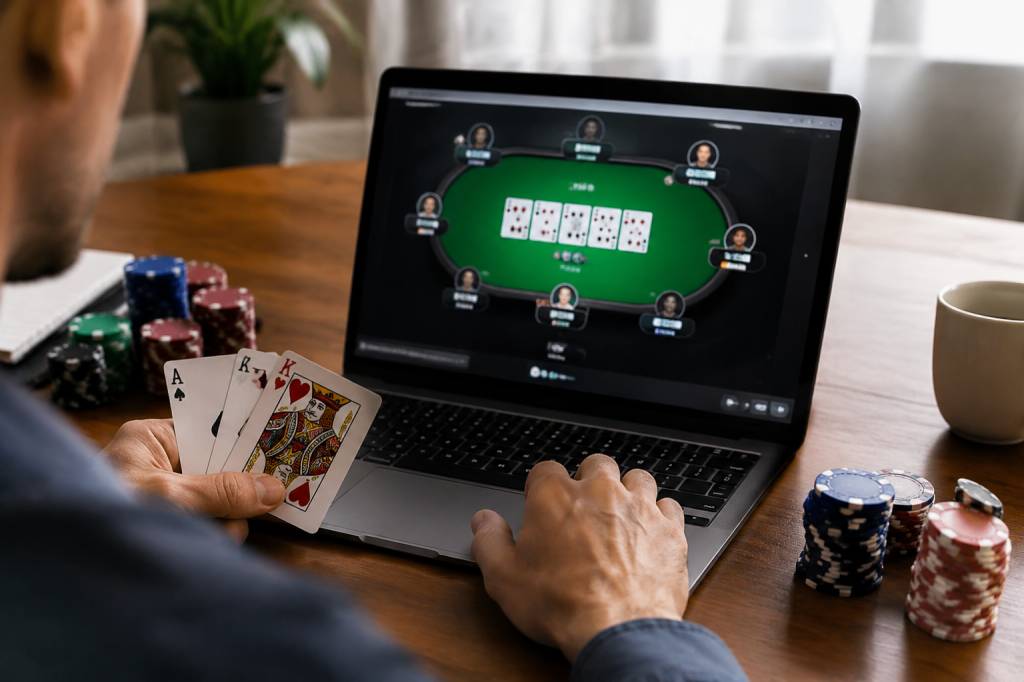
Cash poker online has a simple appeal: you sit down with a stack, play hand after hand, and leave when you choose. There is no tournament clock ticking toward the bubble and no escalating blinds forcing you into a dramatic last stand. That freedom is part of the fun—but it can also make a cash game feel deceptively casual. Chips still represent real money, and a few rushed decisions can turn a pleasant session into an expensive lesson.
The good news is that confidence at the cash tables does not come from knowing every advanced play in the book. It comes from making a series of sensible decisions, understanding what your money is doing, and knowing when it is time to step away. Whether you are learning the basics or trying to make your game more consistent, this guide will help you approach online cash poker with a clearer plan.
Know What You Are Sitting Down To Play
In a cash game, chips have a direct monetary value. If you join a $0.05/$0.10 table, for example, the small blind is $0.05 and the big blind is $0.10. You usually buy in for a set amount, play with that stack, and can often leave or reload between hands. The blinds generally stay the same, unlike in a tournament, where they rise over time.
This changes the feel of the game. In a tournament, survival can be valuable because finishing one place higher may matter. In a cash game, each hand is its own small contest. You can fold a hand, miss a pot, and wait for a better spot without worrying that the blinds will soon force you to gamble. That patience is a genuine advantage—if you use it.
Before taking a seat, check the game format, stakes, buy-in range, and any table rules. A no-limit Hold’em table asks different questions from a pot-limit Omaha game, where strong-looking hands can be more vulnerable than they first appear. Make sure you understand the rules and the amount you could lose before you click “join.”
Choose Stakes That Let You Think Clearly
Your first job is not to find the biggest game you can enter. It is to choose a stake where you can make decisions without every pot feeling like a referendum on your financial future. If a single lost stack would affect your bills, sleep, or mood for the week, the game is too large for your current budget.
Set aside a poker bankroll that you can afford to lose, separate from money intended for rent, food, savings, or other essentials. A bankroll is not a promise that you will win; it is a limit that helps you manage uncertainty. Even a sound player can lose several buy-ins in a row. Poker has variance, and variance has never checked whether you had a particularly good reason to win today.
Consider setting a personal session limit before you play. That could be a time limit, a loss limit, or both. Decide in advance what will make you stop, then follow the plan when emotions are involved. If you move up in stakes, do so gradually and only when your budget and experience support it—not because one lucky session made you feel invincible.
Start With a Simple Table Plan
Online tables move quickly. There may be several games available, and it is tempting to open a handful at once. But more tables mean more hands, more decisions, and less time to think. If you are learning, one table is often enough. Add another only when you can keep track of the action without clicking buttons on autopilot.
Take a moment to observe the table. Look for how often players enter pots, whether they tend to call raises, and how large the typical bets are. You do not need a perfect read on everyone. You are simply gathering clues. A table full of players who call frequently may reward patient value betting; a table with frequent raises may require more caution and a stronger plan before entering a pot.
Position matters, too. Players act in order, and acting later gives you more information about what others have done. The button, just to the dealer’s left, is usually the most advantageous seat because it acts last after the flop. Early position is less comfortable: several players still have a chance to act behind you, so entering with marginal hands can create awkward situations.
Build a Preflop Routine
Every hand begins with a choice: fold, call, or raise. A useful starting point is to play fewer hands from early position and widen your range as you move closer to the button. Strong high cards and well-connected hands are generally easier to play than weak, disconnected cards, especially when you are out of position.
Raising can help you take the initiative and build a pot when you have a hand worth playing. But a raise should have a reason. Are you trying to get value from weaker hands, make opponents fold, or reduce the number of players in the pot? If you cannot explain why you are raising, pause before committing chips.
Calling is not automatically the cautious option. A call can leave you in a pot with little information and a hand that is difficult to improve. Folding is not a failure; it is a way to preserve your stack for a more promising spot. The most expensive habit at a cash table is often the belief that you must defend every blind or “see one more card.” The deck does not owe anyone a plot twist.
Think in Ranges, Not Just One Hand
Once the flop appears, ask what hands your opponent could reasonably have—not only what single hand you hope they hold. Their position, preflop action, bet size, and previous tendencies all offer clues. A player who raises from early position and bets confidently on a high-card flop may represent a different range from someone who called before the flop and suddenly makes a large raise.
These clues are not certainties. Online poker gives you incomplete information, and a small sample of hands can be misleading. Treat reads as probabilities, not facts. “This player often calls” is a useful note. “This player always has nothing” is a shortcut to a memorable bad beat story.
When you have a strong hand, think about which weaker hands might call a bet. When you are bluffing, consider which better hands might fold. A bluff is not good simply because the board looks dramatic. It works best when your story makes sense and your opponent has demonstrated a willingness to let go.
Use Bet Sizes With a Purpose
Bet sizing affects how much you win when ahead and how much you risk when behind. Larger bets can build a pot or apply pressure, but they also require more chips and may cause weaker hands to fold. Smaller bets can keep a wider range of opponents involved, though they may give drawing hands a better price.
There is no single perfect size for every situation. Board texture, number of opponents, stack sizes, and previous actions all matter. On a coordinated board with several possible draws, you may need to think carefully about protection and future cards. On a dry board, a smaller bet may achieve your goal without inflating the pot unnecessarily.
Before betting, ask yourself three questions: What am I trying to achieve? Which hands might continue? What will I do if my opponent raises? That last question is especially useful. If a raise would leave you bewildered, the original bet may have been too casual.
Manage Your Stack and Avoid Tilt
In a cash game, your stack affects the decisions available to you. A short stack has less room for complex postflop play, while a deeper stack can create larger pots and more difficult choices. Know how much you have in front of you, and pay attention to the effective stack—the smaller stack between you and the opponent in the hand. You cannot win more from that opponent than they have available.
Then there is tilt: the emotional fog that arrives after a frustrating loss, a bad call, or a spectacular river card that seems personally offended by your plans. Tilt does not always look like shouting at the screen. It can be quiet: playing too many hands, chasing losses, or making a big call because you feel you “deserve” to win the pot.
If you notice that you are reacting instead of thinking, take a break. Close the table, get some water, and let the hand replay in your head without immediately firing another buy-in. A useful rule is to leave when you can no longer explain your decisions calmly. Your future self will appreciate the restraint more than one more heroic call.
Review Hands Without Beating Yourself Up
Improvement comes from reviewing decisions, not just counting wins and losses. After a session, mark hands that felt difficult: a big pot, a river call, a bluff that failed, or a spot where you were unsure whether to bet. Revisit what you knew at the time and ask whether the decision made sense—not whether the final card rewarded it.
For example, imagine you hold top pair and face a large river bet. The opponent’s line has been aggressive on every street. Rather than asking, “Did I lose this hand?” ask: “Which worse hands would bet this size? Which better hands are possible? What information did I have before calling?” The answer can show that a good decision lost—or that a lucky win came from a poor one. That distinction is where learning begins.
Keep notes simple and factual. “Raised from the button, called a three-bet out of position, then faced pressure on every street” is more useful than “played terribly.” If you use hand-history or tracking tools, check the platform’s rules first and use them only where permitted.
Keep Online Play Secure and Responsible
Choose a reputable, legally available platform in your location. Check its licensing information, payment terms, privacy and security features, and the rules for promotions before depositing. Use a strong password, enable account security options where available, and never share login details. A flashy welcome offer is not a substitute for knowing the terms attached to it.
Responsible play matters whether you are winning or losing. Set deposit and time limits if the platform offers them, and never borrow money or use funds meant for essentials to play. Poker is entertainment with financial risk, not a dependable way to earn income. If playing stops being enjoyable or starts affecting your relationships, work, sleep, or finances, step away and seek support from a trusted person or a local gambling-support service.
Make Confidence a Habit
Confident cash-game poker is not about feeling certain that you have the best hand. It is about having a process: choose suitable stakes, pay attention to position, enter pots with a reason, size bets thoughtfully, and leave when your focus is gone. Some sessions will end with a tidy profit. Others will deliver a river card worthy of its own dramatic soundtrack.
You cannot control the cards, but you can control the quality of your decisions and the limits you set around the game. Start small, stay curious, and treat every session as practice as well as play. At the cash table, discipline may not be as glamorous as a huge bluff—but it is often the quiet move that keeps you in the game.