


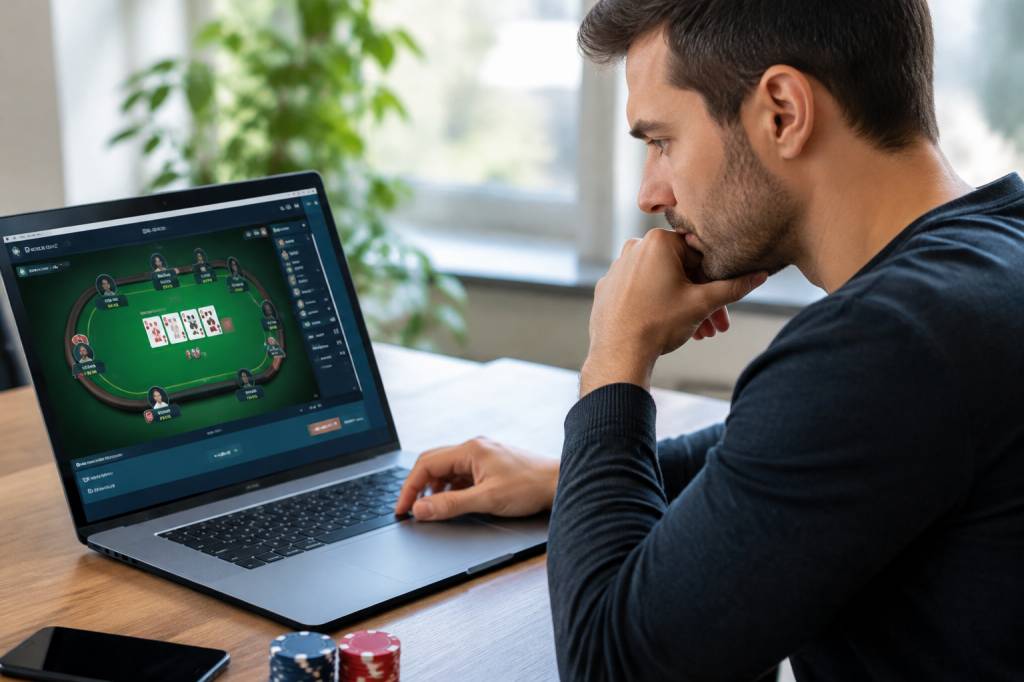
Choosing among the biggest poker sites can feel a little like sitting down at a table where every player claims to have the best hand. One platform boasts huge tournaments, another promises a slick mobile app, and a third seems to have a bonus for every click. The trick is to look past the noise and find the room that fits the way you actually play.
I have spent enough time watching poker sessions turn from calm card-playing into dramatic tales of one unfortunate river card to know this: the right platform will not make you a better player overnight. It can, however, make your experience safer, smoother, and more enjoyable. Here is how to compare the major poker rooms and choose one with a clear head before the first hand is dealt.
What “biggest poker sites” really means
There is no single permanent leaderboard for online poker. A site may be “biggest” by its number of active players, tournament prize pools, cash-game traffic, international reach, or brand recognition. Those measures do not always point to the same platform, and rankings can change as operators enter or leave markets.
Names such as PokerStars, GGPoker, 888poker, partypoker, and WSOP Online are widely recognized in the online poker world. But a famous name is not automatically the best choice for every player—or even available where you live. Licensing, product offerings, and traffic vary by country. Think of these brands as a starting shortlist, not a guaranteed recommendation.
Before comparing features, check whether the operator is legally authorized to offer online poker in your location. A site that is popular elsewhere may not be permitted to serve players in your region. When in doubt, consult your local gambling regulator rather than relying on an old forum post or a friend’s confident “I’m pretty sure it’s fine.”
Start with safety, not the welcome bonus
A generous sign-up offer can catch the eye, but security and fair play deserve the first look. Check that the operator holds a valid license for your market and clearly identifies the company responsible for the service. A reputable site should also explain its privacy practices, payment procedures, and account security measures in accessible language.
Look for practical safeguards such as two-factor authentication, strong password settings, account activity records, and clear procedures for contacting customer support. These features may not be as exciting as a final-table comeback, but they matter when you need to protect an account or resolve a payment question.
Fair-play policies are equally important. Established poker rooms typically prohibit collusion, account sharing, and the use of unauthorized tools. Read the rules on third-party software and multi-accounting before installing anything or sitting down at several tables. “I did not know that was against the rules” is not a particularly strong hand in a support dispute.
Compare the games and formats you actually enjoy
The biggest site on paper may not offer the best experience for your preferred game. If you love Texas Hold’em tournaments, check the schedule, buy-in range, starting times, and typical field sizes. If you prefer cash games, look for the stakes and table selection available during the hours you usually play.
Also check whether the site offers other formats, such as Omaha, sit-and-go tournaments, fast-fold games, or freerolls. Variety can be useful, but more options are only valuable if they match your interests. There is little point in choosing a room for its enormous Omaha lobby if you have no desire to learn Omaha.
Traffic matters too. A busy site may offer more games and a wider choice of stakes, while a smaller room can sometimes feel less crowded and easier to navigate. If possible, visit the lobby without depositing and see what is running at your preferred time. A tournament schedule at noon does not tell you much if you only play after work.
Understand fees, rake, and tournament costs
In cash games, the platform generally collects a fee called rake. Tournaments usually include a fee in addition to the prize-pool contribution. The exact structure differs by game, stake, and operator, so check the published details rather than assuming that similar-looking tables cost the same to play.
For example, a tournament listed with a buy-in of $10 may show a separate fee, making the total entry cost slightly higher. That is not necessarily a problem, but it should be clear before you register. If you plan to play regularly, even small differences in fees can add up over time.
Rewards programs and loyalty points can soften costs, but treat them as a secondary factor. Compare what you would receive for your normal level of play, not the most exciting reward advertised in a banner. A cashback offer is only useful if its conditions are understandable and achievable without increasing your spending.
Read the bonus terms before celebrating
Welcome bonuses often come with conditions: qualifying deposits, wagering or play requirements, expiry dates, and limits on how rewards are released. Some bonuses arrive in stages as you play rather than as an immediate cash balance. Take a minute to read the terms. It is less glamorous than imagining a tournament victory, but considerably more reliable.
Ask yourself three simple questions: What do I need to do to qualify? How long do I have to do it? Can I withdraw my funds while the offer is active? If the answers are difficult to find, or the wording remains confusing after a careful read, consider skipping the promotion.
Bonuses should never be a reason to play more than you planned. A tempting offer can make a modest session feel like a challenge with a deadline. Your bankroll, schedule, and comfort level should set the pace—not a promotional countdown clock.
Check deposits, withdrawals, and account rules
Payment options differ by country and operator. Before funding an account, check which methods are available, whether there are minimum and maximum transaction limits, and whether fees apply. Also look at withdrawal processing times and any identity checks required before cashing out.
Most regulated operators may ask you to verify your identity, age, or payment method. This is a normal part of account security and legal compliance. Completing verification early can help avoid delays later, particularly if you intend to withdraw winnings. Use accurate details and make sure the payment method is permitted under the site’s terms.
Do not deposit money you cannot afford to lose, and do not borrow to play. Poker involves skill, but short-term outcomes still depend on chance. A strong decision can lose a hand; a poor decision can win one. The cards do not send invoices, but your bank account will remember the session.
Try the software before committing
A poker client should feel clear and dependable, whether you play on a computer, tablet, or phone. Check that the tables are easy to read, the controls are comfortable, and the lobby makes it simple to find games. A confusing interface can turn a relaxing session into an accidental lesson in menu navigation.
Where available, try play-money tables or a free version of the app first. This lets you test the layout, connection stability, and basic features without risking money. A free-play table is also a good place for beginners to learn how the software works before considering real-money games.
Mobile convenience is useful, but it can make it easier to play impulsively. Use device settings and account tools to set boundaries, and avoid playing while distracted or in situations where you should be focused elsewhere. A quick session should remain a choice, not a reflex.
Look at customer support and responsible-play tools
Before joining, find out how to contact support and when the team is available. A searchable help center, clear contact options, and straightforward answers are good signs. If you have a question about a promotion, payment, or account restriction, you should not need to solve a mystery worthy of a detective novel.
Responsible-play tools deserve the same attention as the game lobby. Depending on the platform and local rules, these may include deposit limits, time reminders, cooling-off periods, self-exclusion, and access to account history. Set limits before you start playing, while decisions are calm rather than after a frustrating run of hands.
If gambling stops being entertaining, or you find yourself chasing losses, take a break and use the support options available in your area. You can also speak with a trusted person or contact a recognized gambling-support organization. Poker should fit around your life, not push everything else off the table.
Choose a site that suits your playing style
Imagine two players comparing rooms. Maya enjoys low-stakes tournaments on weekends and wants an easy-to-use mobile app. Leon plays cash games in the evenings and cares most about table availability and transparent fees. Even if the same site is popular with both, their priorities are different. Maya might start with tournament schedules and app usability; Leon might compare cash-game traffic and rake.
That is why a simple checklist beats a universal ranking. Score each candidate on legality, security, game selection, fees, payment clarity, software, support, and responsible-play tools. Give the factors that matter most to you the greatest weight. A site with a slightly smaller player pool may still be the better fit if it is easier to use and offers the games you want.
It is also sensible to start small. After checking the rules and verifying your account, try a low-stakes game or a free option if available. Notice whether the platform works well during your usual playing hours, whether the terms match your expectations, and whether you enjoy the experience. You do not need to commit your entire poker career after one session.
A quick checklist before you sign up
- Confirm that the site is licensed and available in your location.
- Review security measures, privacy information, and fair-play rules.
- Check game formats, stakes, tournament times, and player traffic.
- Understand rake, tournament fees, bonus conditions, and expiry dates.
- Compare deposit and withdrawal methods, limits, and verification steps.
- Test the software and customer support before making a large commitment.
- Set a spending limit and session boundaries before playing.
The biggest poker site is not automatically the right poker site. A good choice is one that is legal where you live, transparent about its costs, comfortable to use, and suited to your games and budget. Do the homework before you buy in, keep your limits firm, and remember that even the finest platform cannot promise a winning streak. If it could, the river would have far fewer surprises.