


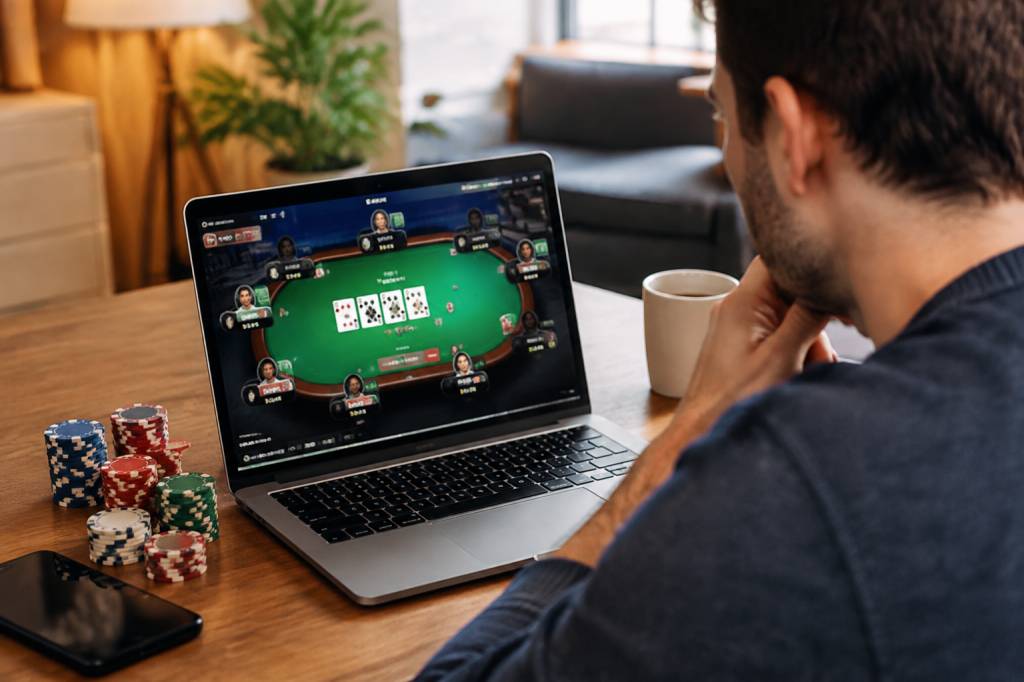
Ask ten poker players for the best US poker site and you may get ten answers, plus at least one story about a river card that still hurts. The truth is less dramatic: there is no single room that is right for every player in every state. The best choice is a legal, well-run poker room available where you live, with games, software, and payment options that suit you.
That may sound less exciting than a secret shortcut to the perfect table. It is also a lot more useful. Before I deposit a dollar, I check the room’s licence, understand how withdrawals work, and make sure the games fit my budget and experience. Here is the checklist I use to separate a trustworthy poker room from one that merely has a flashy welcome banner.
Start with the rules where you live
In the United States, online poker is not governed by one simple nationwide rulebook. State laws differ, and the availability of real-money poker depends on your location. Some states license online poker directly; others do not offer it, or have different arrangements. A site’s availability can also depend on whether it has received authorization from the relevant regulator.
So the first question is not, “Which site has the biggest bonus?” It is, “Am I legally allowed to play for real money here, and is this operator authorized to offer it?” Check your state regulator’s official website and the poker operator’s own legal information. Do not rely on an old forum post, a search snippet, or your cousin’s confident explanation after two beers.
Legitimate regulated rooms generally use geolocation technology to confirm that a player is physically within an eligible jurisdiction. They may also require identity and age verification. Those checks can feel like an annoying pause before the cards fly, but they help enforce local rules and protect accounts. Never try to bypass location checks with a VPN or similar tool; it can violate a site’s terms and may put your funds or account at risk.
Look for a real licence, not just reassuring language
“Safe,” “trusted,” and “secure” are easy words to put on a homepage. A licence from the appropriate regulator is more meaningful. Find the operator’s legal name and licensing details, then verify them through the regulator rather than assuming that a badge or logo proves everything.
I also look for clear rules on player accounts, identity checks, complaints, and responsible gambling. A regulated operator should explain who oversees it and how a player can contact support. If the terms are hidden, vague, or written as if they were designed to discourage reading, I take that as a reason to slow down.
Licensing is not a promise that you will win, that every decision will go your way, or that no dispute can ever occur. It does, however, give you a clearer framework for understanding the operator’s obligations and the channels available if something goes wrong. That distinction matters. Poker already has enough uncertainty without adding mystery about who is holding your deposit.
Test the poker room before trusting it
A good poker room should make the basics easy to understand. Can you find the cash-game stakes, tournament buy-ins, blinds, and fees before joining? Are the rules for a hand or tournament accessible? Can you see how to contact customer support without going on a digital treasure hunt?
Before depositing, I browse the site or app as if I were already a customer. I check whether the cashier explains deposits and withdrawals, whether the terms are readable on a phone, and whether support offers a practical way to ask questions. If a small detail is confusing, I contact support and see how clearly they respond. That first exchange can tell you more than a dozen glossy slogans.
Pay attention to the game lobby, too. A busy lobby is not automatically a good fit. Look for the formats you actually enjoy: cash games, sit-and-go tournaments, multi-table tournaments, or perhaps a mixed-game offering. A beginner who wants low-stakes practice may have little use for a room dominated by high-buy-in tournaments, even if the room is popular.
Choose games that match your level and schedule
Availability and traffic vary by state, time of day, and game type. Before choosing a room, check when the games you want are running and whether there are enough active tables at your preferred stakes. A tournament schedule can look impressive, but the important question is whether it works for your life. A midnight event with a long late-registration period is not much of a bargain if you have to be up at six.
For a new player, low-stakes cash games or small-buy-in tournaments can offer a gentler way to learn than jumping straight into an expensive event. “Gentler” does not mean risk-free. Poker involves chance, and even strong decisions can produce losing sessions. Start with a level where the buy-in is entertainment money, not money earmarked for rent, bills, or groceries.
I learned this lesson the familiar way: by confusing a confident mood with a sensible bankroll. After a couple of good sessions, it is tempting to move up because you feel unstoppable. Then a cooler arrives, your pocket kings run into aces, and suddenly the spreadsheet looks less impressed than you are. Set your limits before you sit down, not while you are trying to win back a bad evening.
Read the payment and withdrawal details
A trustworthy poker site should explain its payment methods, processing times, fees, and any limits. Check the cashier and terms before you deposit. Find out whether the available options suit you, what verification documents may be required, and how withdrawals are handled. A payment method that is convenient for depositing may not work the same way for cashing out.
Identity verification is common at regulated sites, so keep your account details accurate and use payment methods in your own name. Submit documents only through the operator’s official secure process, not through an unsolicited message or a link from a stranger claiming to be support.
Also read the bonus terms before chasing a headline offer. A welcome bonus may come with qualifying deposits, play-through requirements, expiration dates, or restrictions on eligible games. A bonus is not the same thing as cash you can withdraw immediately. If the terms are hard to find, or the offer sounds too generous to be plausible, take your time and investigate.
Assess the software and security
Software should be stable, readable, and comfortable to use. Cards and chip counts need to be clear, the lobby should be easy to navigate, and the client should not freeze every time the action gets interesting. If possible, try the free-play mode or explore the app before depositing. A short test can reveal whether the layout works for you far better than a promotional screenshot can.
For account security, use a unique password and enable any additional security features the operator offers. Keep your device and apps updated, avoid playing on shared or unsecured devices, and do not share login codes. If you receive a message asking for your password or payment details, treat it with suspicion and contact support through the official app or website instead.
Fair-play policies matter as well. Review the room’s rules on collusion, bots, account sharing, and prohibited software. Reputable operators generally publish conduct rules and explain how suspicious activity can be reported. No policy can prevent every bad actor, but clear enforcement procedures are better than a shrug and a “good luck out there.”
Compare support and reputation carefully
Customer support is easiest to ignore when everything is working. It becomes very important when a deposit is delayed, a tournament is interrupted, or an account needs verification. Check which contact options are available and whether support hours are stated. If you have a question, ask it before making a deposit and keep a record of the response.
Reviews can help you spot recurring complaints, but read them with a cool head. One angry post does not prove a site is dishonest, and a page full of enthusiastic comments may not be independent. Look for specific, consistent details across multiple sources, especially about payment processing, account verification, technical problems, and how disputes were handled. Separate complaints about losing hands from complaints about the operator’s actual service.
When comparing rooms, consider the whole experience rather than chasing one number. A useful checklist might include:
-
Authorization for real-money poker in your state, verified through an official source.
-
Games and stakes that suit your experience, schedule, and budget.
-
Clearly explained deposits, withdrawals, fees, and verification requirements.
-
Readable rules, accessible support, and published fair-play policies.
-
Reliable software, sensible security features, and responsible gambling tools.
-
Bonus terms you understand without needing a lawyer and three cups of coffee.
Use responsible gambling tools from the beginning
Even a well-regulated poker room cannot make poker risk-free. Decide in advance how much time and money you are comfortable spending. Use deposit, loss, or session limits if they are available, and take breaks when the game stops being enjoyable. Do not borrow money to play, chase losses, or treat poker as a dependable way to pay bills.
Watch for changes in your own behavior. If you find yourself hiding play, spending more than planned, or feeling unable to stop, step away and seek support. Regulated operators may provide time-outs, self-exclusion, and links to independent help services. These tools are worth knowing about before you need them.
My final table test
When someone asks me for the best US poker site, I ask a few questions back: What state are you in? What games do you want to play? What stakes are comfortable? Do you care more about tournaments, cash games, mobile play, or a particular payment option? The answers matter more than a loud advertisement or a bonus number wearing a tuxedo.
My approach is simple: confirm local legality, verify the licence, read the terms, test the software, and start small. If the room is transparent and the games fit your needs, you can make a more informed choice. If anything feels unclear, there is no shame in closing the lobby and looking elsewhere. The best poker decision is sometimes the one you make before the first hand is dealt.