I’m Ramy, and when I first started playing poker and exploring casino games and sports betting, one of the biggest differences between casual players and smart bettors was simple: they knew how to read odds. 📊 Whether I’m looking at a sportsbook line, comparing casino payout chances, or deciding whether a bet has real value, reading betting odds correctly helps me avoid bad decisions and spot opportunities others miss.
If you want to make sharper choices, protect your bankroll, and understand what the numbers are really telling you, this guide will walk you through the basics in a practical way. I’ll explain the most common odds formats, how I think about implied probability, and how I use this knowledge to make smarter casino and sportsbook decisions. 🎯
What betting odds actually mean
When I look at betting odds, I’m not just seeing a number. I’m seeing a price. That price tells me how much I can win, but it also tells me how likely the bookmaker or the casino thinks an outcome is. In sports betting, odds are used to express the chance of an event happening. In casino games, the same idea helps me understand the house edge and the value of a wager.
In simple terms, odds answer two questions:
Once I understand that, betting becomes much less like guessing and much more like analysis. 🧠
The three main odds formats
Different books and platforms show odds in different styles. I’ve seen beginners get confused because the same bet looks different depending on the format. But once you learn the three main systems, it becomes easy to switch between them.
Decimal odds
Decimal odds are very common in Europe and are probably the easiest to read. If a bet is listed at 2.50, that means for every 1 unit I stake, I get 2.50 units back if I win. That includes my original stake.
For example, if I bet 10 and the decimal odds are 2.50:
I like decimal odds because they make quick calculations simple. If I’m scanning multiple lines, I can instantly see which ones offer better returns. 💡
American odds
American odds are common in the United States and can look confusing at first, but they’re easy once you understand the logic. There are two styles:
Positive odds show how much profit I make on a 100-unit stake. So +150 means I win 150 profit if I bet 100.
Negative odds show how much I need to risk to win 100 profit. So -200 means I must bet 200 to win 100 profit.
Here’s how I read them in my head:
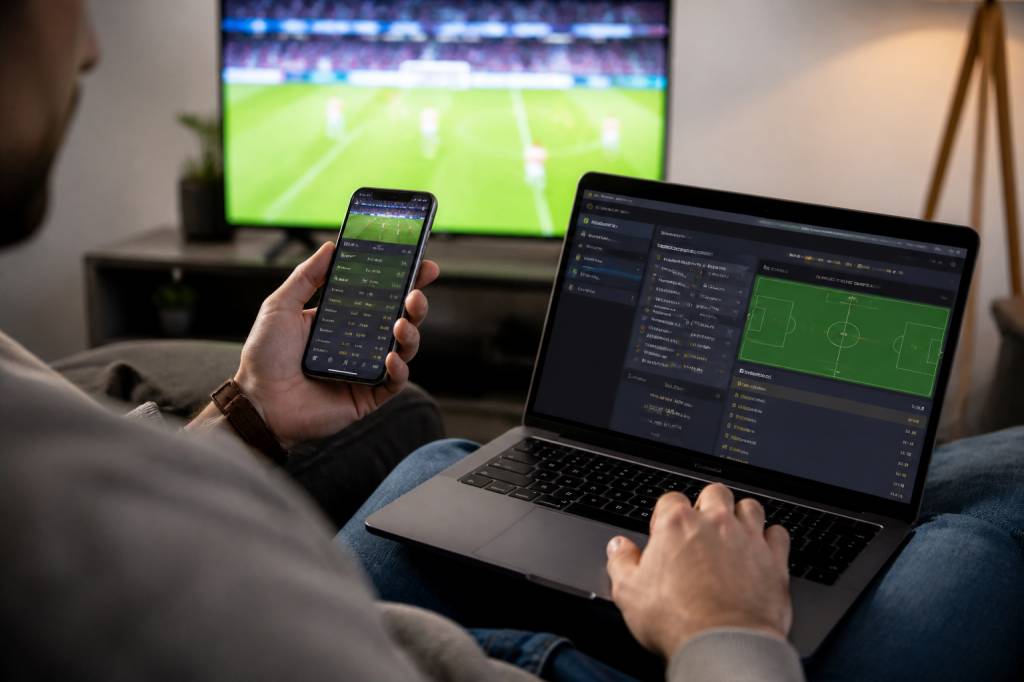
American odds are especially useful in sports betting because they show the market’s opinion in a very direct way. ⚽
Fractional odds
Fractional odds are common in the UK and Ireland. If I see 5/1, that means I win 5 units of profit for every 1 unit staked. So a 10 bet at 5/1 gives me 50 profit plus my original 10 back.
Another example: 1/2 means I win 1 unit for every 2 units wagered. That’s a shorter price and usually indicates a stronger favorite.
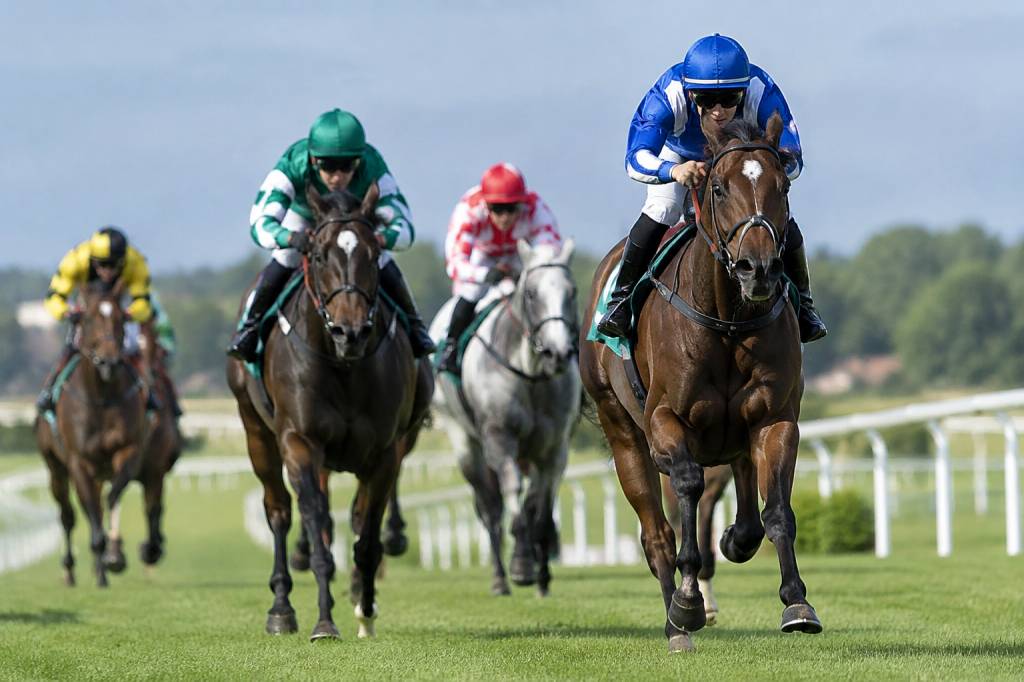
Fractional odds are common in horse racing, some sports markets, and traditional betting platforms. I personally prefer decimal odds for quick math, but knowing fractional odds is important because many serious betting markets still use them. 🐎
Implied probability made simple
One of the most important things I learned is that odds can be converted into probability. That’s where the real edge begins. Implied probability tells me what chance the odds are suggesting for an event.
For decimal odds, the formula is simple:
So if the odds are 2.00, the implied probability is 50%. If the odds are 1.50, the implied probability is 66.7%.
For American odds, the conversion is different, but the idea is the same. Positive odds have a lower implied probability, and negative odds have a higher implied probability.
Why does this matter? Because I’m not just asking, “Can this happen?” I’m asking, “Is the chance of this happening greater than the price suggests?” That’s how I start identifying value bets. 📈
How I use odds to find value
A value bet is one where I believe the actual chance of winning is better than what the odds imply. That doesn’t mean the bet will always win. It means the price is favorable over time.
Let me give you a simple example. Suppose a team is priced at 2.50, which implies a 40% chance. If I believe that team actually has a 48% chance to win, then I may have found value.
This is the mindset I use in poker too. I don’t ask only whether a hand can win. I ask whether the price I’m getting is good enough to justify the risk. That same logic helps in sports betting and even in some casino decisions. ♠️
Understanding bookmaker margin
Bookmakers don’t set odds just to reflect probability. They also build in profit margin. That’s why the implied probabilities of all outcomes in a market often add up to more than 100%.
For example, in a two-outcome market, if the implied probabilities add up to 104%, that extra 4% is the bookmaker’s margin. This is one reason why shopping for the best line matters so much.
I always compare odds across multiple sportsbooks before placing a bet. A small difference in price can have a real impact over time. Even a slight improvement in odds can increase my long-term return. 🛒
Reading odds in casino games
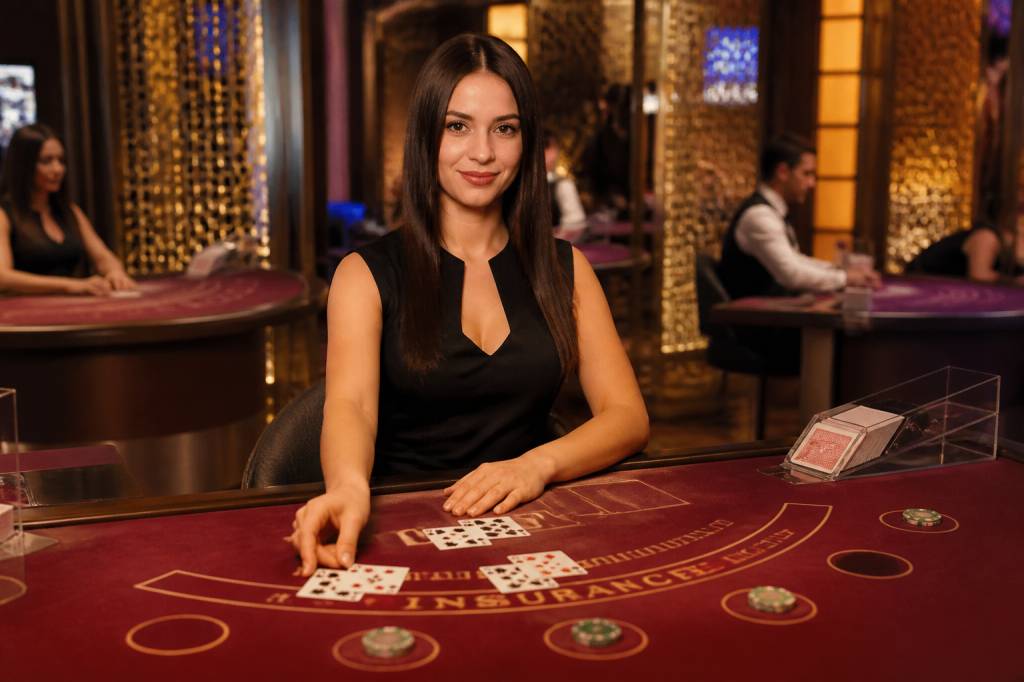
In casinos, odds work a little differently, but the same thinking still applies. When I play blackjack, roulette, baccarat, or craps, I’m always aware that the house edge shapes the odds against me. The house doesn’t need to win every hand or spin; it just needs the math on its side over the long run.
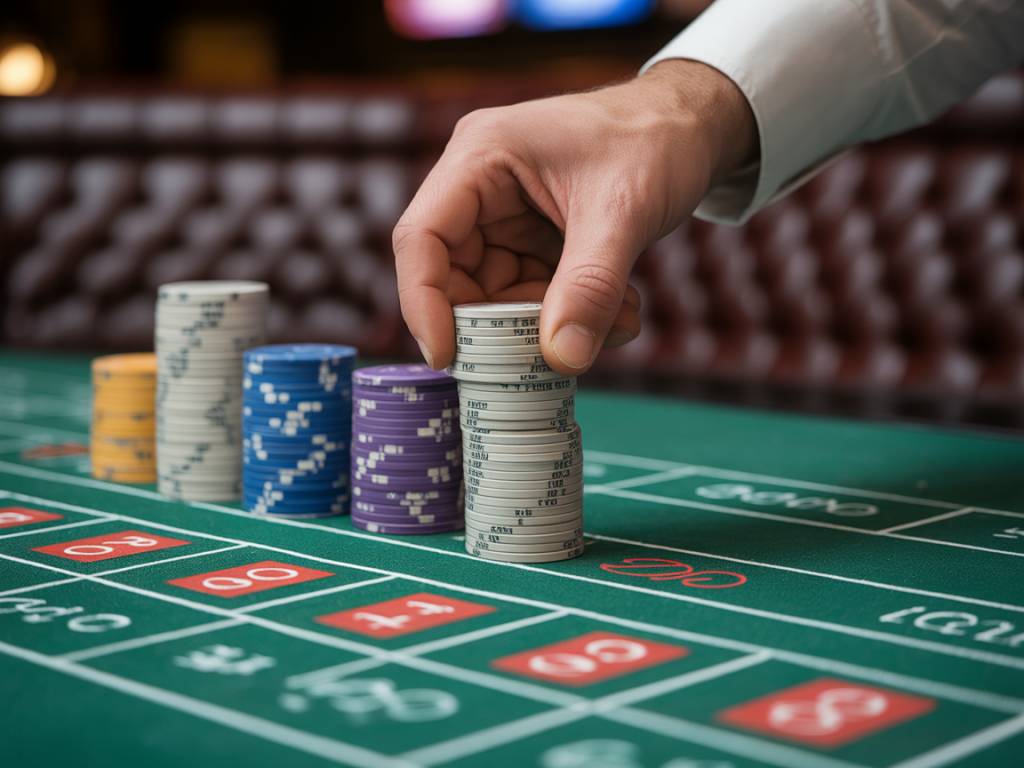
For example, if I place a bet in roulette, I can see the payout on the table, but that payout does not reflect true probability. A single number bet may pay 35 to 1, but the actual chance of winning is 1 in 37 on a European wheel or 1 in 38 on an American wheel. That difference is the casino’s edge. 🎰
This is why I always pay attention to:
When I compare those three things, I get a much clearer picture of whether a game is favorable or just entertaining.
Common mistakes beginners make
I’ve seen many new bettors focus only on the payout and ignore the probability. That’s a mistake. A huge payout can look exciting, but if the chance of winning is tiny, it may be a poor bet.
Here are some mistakes I try to avoid:
My rule is simple: if I can’t explain why the price is good, I don’t bet it. That mindset has saved me from many unnecessary losses. 🚫
A quick way to compare odds before betting
Before I place a wager, I use a short mental checklist. It helps me stay disciplined and avoid impulsive decisions.
This process takes only a minute, but it can make a huge difference. Over time, small improvements in decision-making add up. That’s true in sports betting, casino play, and poker alike. 🧩
Bankroll management and odds
Reading odds well is important, but I never separate it from bankroll management. Even a strong bet can go wrong in the short term. That’s why I decide in advance how much I’m willing to risk.
I like to keep stakes proportional to my bankroll rather than betting randomly. This helps me survive losing streaks and keeps me in the game long enough for good decisions to pay off. Odds only matter if I can stay in action long enough to benefit from them.
When I see a line I like, I still ask myself whether it fits my stake plan. Smart betting is not just about winning more often; it’s about lasting longer and making better decisions consistently. 💼
Tools that can help you read odds faster
If you want to improve quickly, there are useful tools available. I often recommend learning with odds calculators, probability converters, and line comparison tools. If you enjoy sports betting or casino strategy, these products and tools can help you understand prices more clearly and make better decisions.
Useful tools may include:
These resources don’t replace judgment, but they do make learning faster and help you avoid simple mistakes. 📚
Thinking like a pro
When I read betting odds like a pro, I don’t just see numbers. I see opportunity, risk, and price. I ask whether the odds are fair, whether the payout is worth the risk, and whether I’m getting value compared to the true chance of winning.
The more I practice, the more natural it becomes. At first, converting odds and calculating probability might feel slow. But with repetition, it becomes second nature. And once that happens, I can make sharper casino and sportsbook decisions with much more confidence. 🏆
If you remember just one thing from me, let it be this: the best bettors are not the ones who guess the outcome perfectly. They are the ones who understand the price better than everyone else. That’s where smarter decisions begin.