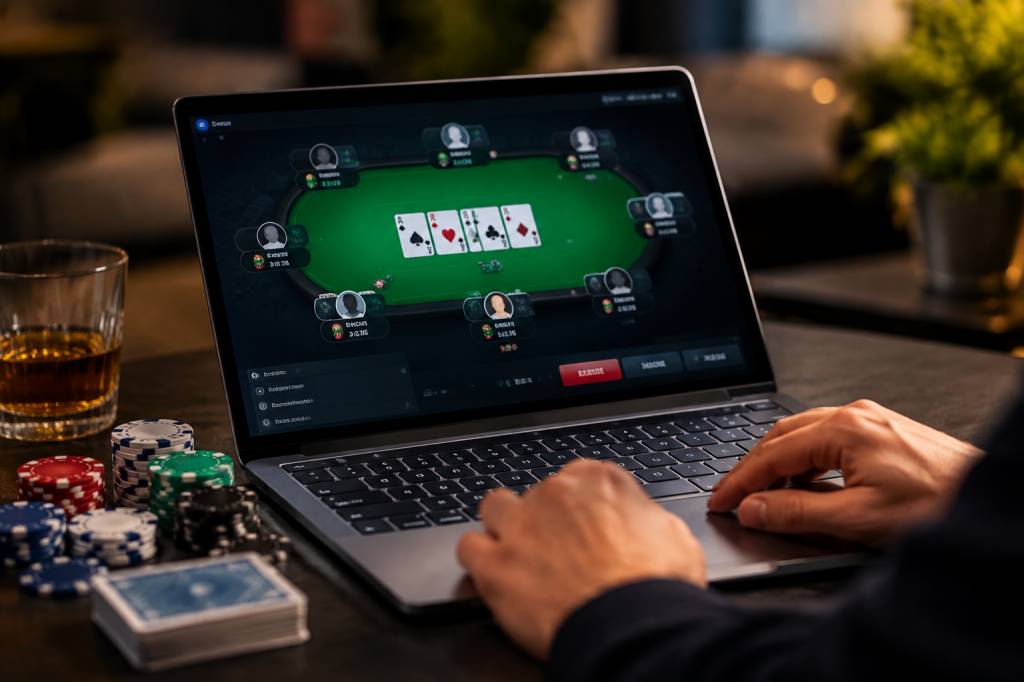
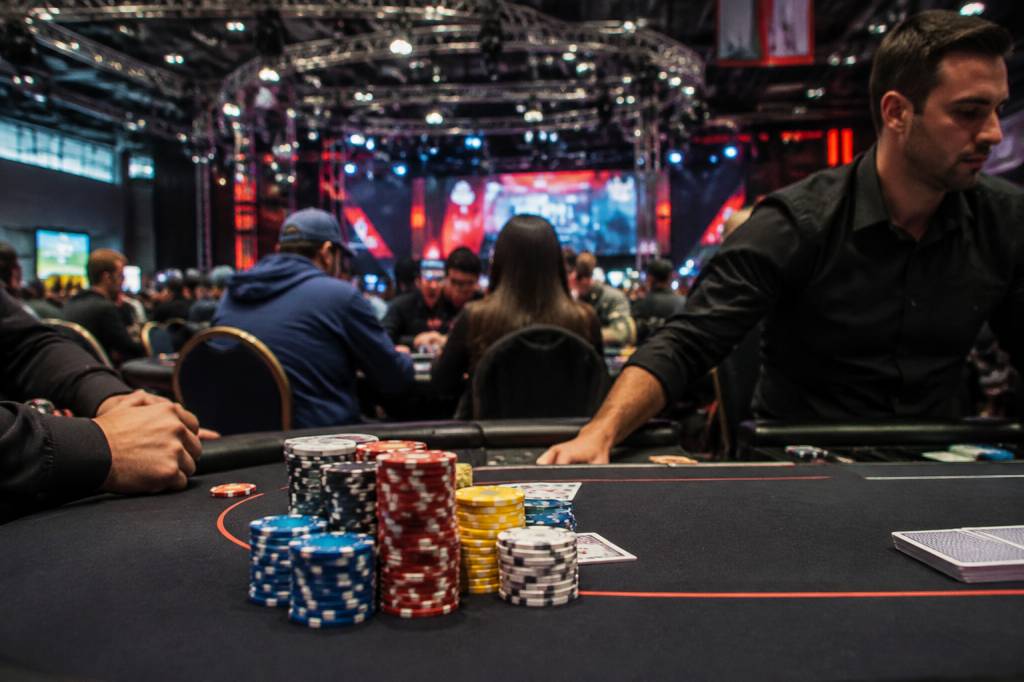
The PartyPoker Tour in Birmingham has the ingredients poker players look for: a live tournament atmosphere, a chance to test your game against unfamiliar opponents, and enough decisions to make even a coffee break feel strategic. But before you start picturing a trophy on the journey home, there are two details to pin down: the schedule and the buy-ins.
Those details can change from one edition to another. Dates, starting times, event formats and entry fees should always be checked against the official PartyPoker event listing and the venue’s information before you travel. Treat old flyers, forum posts and screenshots as useful clues—not as the final word. Here’s how to plan for the Birmingham stop, choose an event that suits your bankroll and arrive ready to play rather than scrambling for your seat.
What to check on the Birmingham schedule
A live poker schedule is more than a list of tournament names. It tells you when registration opens, when cards are in the air, whether late registration is available and how the tournament progresses. Those details can shape your whole day. A low buy-in event starting in the afternoon may suit a first-time visitor; a longer championship event may demand a full day, a flexible evening and a properly rested brain.
Because the PartyPoker Tour schedule can vary by event, avoid relying on dates or start times published for a previous Birmingham stop. Check the current schedule for the edition you plan to attend, then confirm any updates close to the event. Look for:
-
The tournament date and scheduled starting time.
-
Registration opening and closing times, including the late-registration period.
-
Starting stack and blind levels, if listed.
-
Break times and the expected length of play.
-
Whether the event is freezeout, re-entry or another format.
-
Any online qualification route, ticket terms or reservation requirements.
“Late registration available” does not mean “turn up whenever you feel like it.” If you enter late, you may miss a portion of the early levels and begin with fewer big blinds than the players who started on time. That can be manageable, but it changes your options. Check the tournament structure before deciding that an extra hour in bed is worth the trade.
Buy-ins: budget for more than the entry fee
The buy-in is the headline number, but it should not be the whole budget. Depending on the event, the advertised entry may be shown as a single amount or broken into a tournament contribution and a fee. Read the listing carefully so you know what you are paying and what the event ticket covers.
Do not assume the Birmingham schedule will offer a particular buy-in just because it appeared at another tour stop. Events and prices can change between editions. Instead, compare the buy-ins shown on the current schedule and pick one that fits your entertainment budget—not the amount you hope to win.
A simple planning example: suppose an event’s listed buy-in is £100. Your actual day could cost more once you add travel, food and perhaps an overnight stay. If the event allows re-entry, decide in advance whether you will use that option and set a firm maximum. “One more bullet” can sound harmless at the table; your bank statement may have a less romantic view.
Before paying, check whether your ticket is transferable, refundable or tied to a specific event. If you won an online qualifier or received a promotional entry, read the terms: some tickets have restrictions on dates, event types or cash alternatives.
Choosing the right event for your experience
If you are new to live poker, a smaller buy-in event can be a sensible way to learn the rhythms of a casino tournament without making the stakes feel enormous. You will get to handle live cards, chips, dealer calls and table talk while keeping the financial risk more controlled.
More experienced players may be drawn to a headline event, a deeper structure or a higher buy-in. That can offer more room for post-flop decisions and longer-term strategy, but it also asks for more time and focus. The best event is not automatically the one with the biggest prize pool. It is the one whose cost, structure and duration make sense for you.
Think about your playing style, too. A faster structure can reward decisiveness and pressure; a deeper structure gives you more opportunities to navigate different stages of a hand. Neither format guarantees a better result. Poker remains poker: a well-timed bluff can work beautifully, and a premium hand can still run into trouble.
Before you travel to the venue
Confirm the venue address and the event’s check-in arrangements before setting off. If you are travelling by train or car, leave some margin for delays. Arriving just before the first hand is not ideal when you still need to register, find the tournament area and work out where you left your water bottle.
Bring the identification and payment method required by the venue, and check any age or registration requirements in advance. If you have an online ticket, keep the confirmation accessible. A screenshot can be helpful, but make sure you know whether staff need a booking reference, an account login or another form of verification.
Pack for a long session: comfortable layers, a phone charger and a realistic plan for meals. Tournament play can stretch on, and hunger has a way of making marginal calls look strangely attractive. Take breaks when offered, drink water and avoid treating caffeine as a substitute for sleep.
Tournament tips for the first levels
The early levels can tempt players into doing too much. There are chips in front of you, the blinds look small and every pot seems to offer a chance to “build a stack.” But winning a tournament is not a race to collect chips in the first hour. Start by observing the table and making decisions based on position, stack sizes and the action in front of you.
-
Play position. Acting later gives you more information. Hands that are awkward from early position can become playable from the button, depending on the action and stack sizes.
-
Notice the players. Who limps often? Who raises only with strong hands? Who looks uncomfortable when the pot grows? A few quiet observations can be more useful than trying to memorise every hand.
-
Keep pots manageable with marginal hands. You do not need to turn every pair into a tournament-defining battle.
-
Protect your attention. Avoid distractions during hands and keep track of the board, pot size and your opponents’ actions.
For example, if a player who has folded for an hour suddenly makes a large raise, do not dismiss the change as theatre. It may be a strong hand—or a deliberate image play—but the pattern is information. Ask what their range could contain, what your position is and how much of your stack is at risk before you act.
Adjusting as the blinds rise
As blinds and antes increase, your stack becomes more important in relation to the pot. A stack of 20,000 chips means little by itself; its value depends on the current blind level. Keep an eye on how many big blinds you have and how that affects your choices.
Shorter stacks usually have fewer options for calling raises and playing speculative hands. You may need to choose clear opportunities to move all-in or apply pressure, rather than calling and hoping to find a perfect flop. With a larger stack, you can put pressure on opponents—but that does not mean every pot needs a dramatic entrance.
Pay attention to players who are close to a payout jump if the event has reached that stage. Tournament incentives can affect decisions, but avoid making assumptions about what another player “should” do. Their stack, position and risk tolerance all matter. Your job is to make the best decision with the information available, not to win an argument with the poker gods.
Live-table etiquette that makes the day smoother
Good etiquette is simple and helps everyone follow the action. Keep your cards protected, act in turn and make your decisions clearly. If you are unsure about a ruling, call the dealer or floor staff rather than trying to settle it through a prolonged table debate.
Do not discuss a live hand while other players are still deciding. Keep chips visible and organised, and avoid splashing the pot. If you need to step away, tell the dealer when appropriate and follow the venue’s rules. These small habits make you easier to share a table with—and free up more attention for the actual game.
A practical checklist for tournament day
-
Recheck the official schedule, start time and registration deadline.
-
Confirm the buy-in, event format and any re-entry rules.
-
Set a total spending limit that includes travel and food.
-
Plan your route and allow extra time for arrival and registration.
-
Bring any required identification and ticket or booking details.
-
Eat, rest and arrive prepared for a session that may last several hours.
-
Decide your maximum spend before play begins—and stick to it.
The PartyPoker Tour Birmingham can be a memorable live-poker experience whether you are chasing a deep run or simply testing yourself in a new setting. Get the current schedule from the official source, choose a buy-in you can comfortably afford and give yourself enough time to settle in. Then focus on the next decision, not the trophy at the end of the room. That is where the real game begins.
Keep poker within your limits. It is an entertainment activity, not a way to make money, and no tournament strategy can guarantee a win. If playing stops being enjoyable or starts affecting your finances, take a break and seek support.