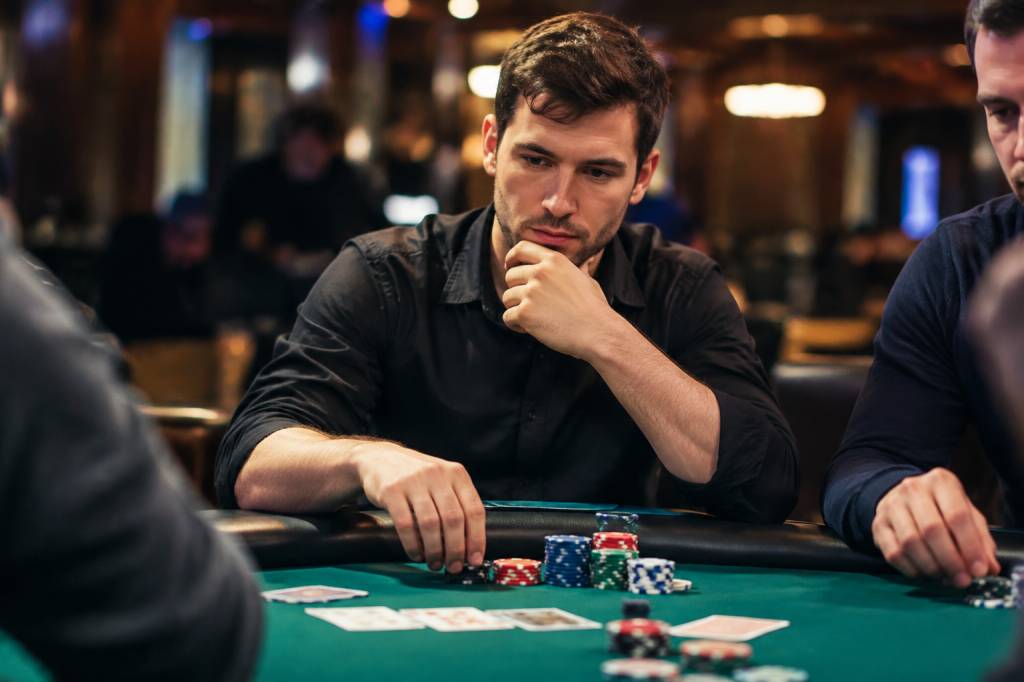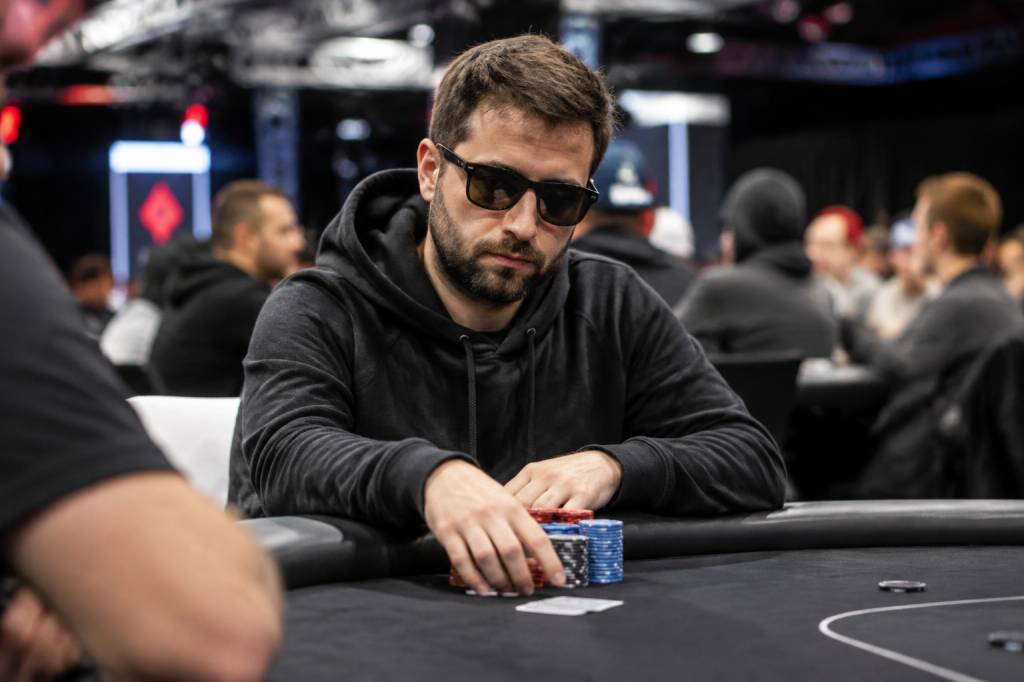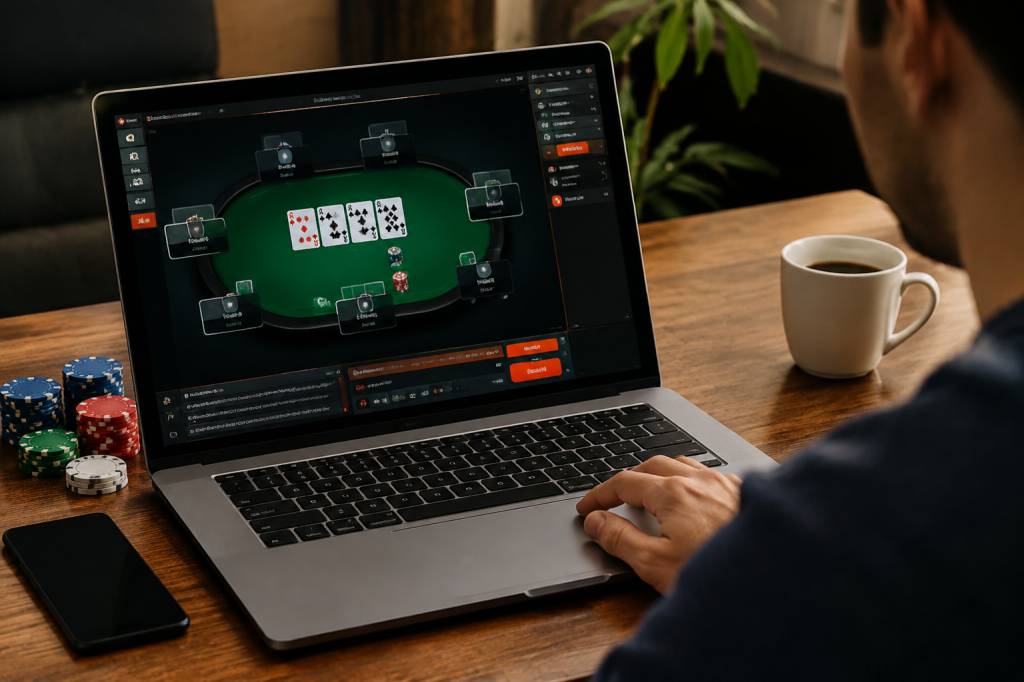
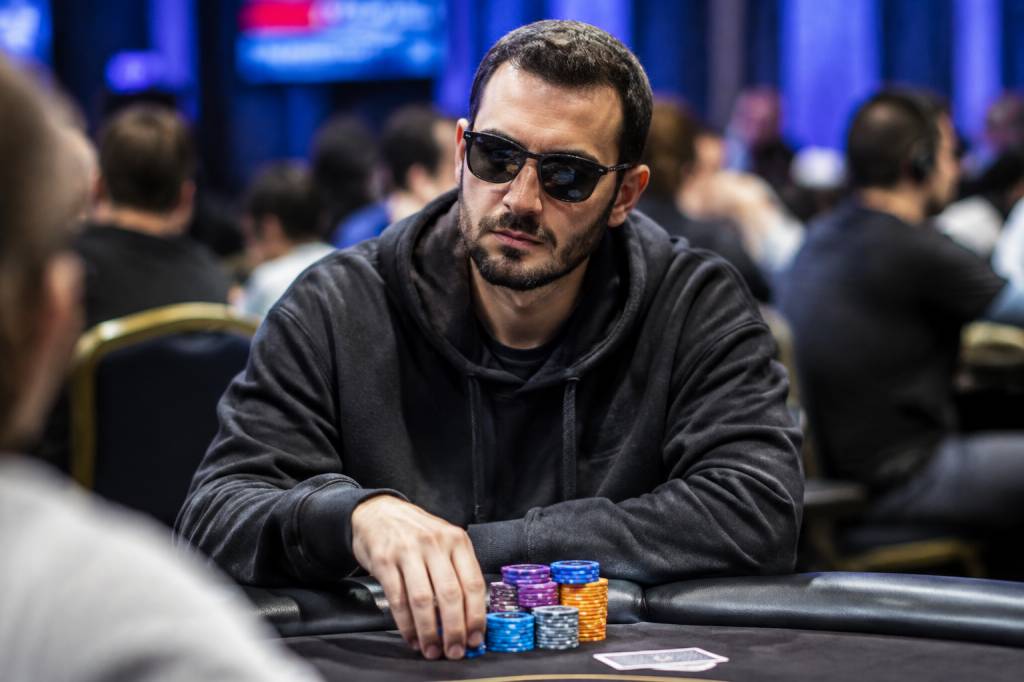
London has a way of making even a short walk feel like an event. Add a poker tournament, a room full of focused players and the occasional dramatic chip shuffle, and you have the ingredients for a memorable day at the tables. The partypoker Tour brought that particular mix of pressure and possibility: newcomers finding their feet, regulars settling into familiar routines, and everyone trying to make the right decision with incomplete information.
I went in thinking the biggest lessons would be about cards. They weren’t. A tournament table teaches you about patience, attention and the danger of convincing yourself that a hopeful read is the same thing as a reliable one. The cards matter, of course—but how you respond to them matters more.
The first surprise: live poker moves at its own pace
Online poker can feel like a series of quick decisions. In a live tournament, the rhythm changes. There’s time to watch the action, notice how the table is behaving and consider what a bet might mean. There’s also time to overthink a perfectly ordinary situation until it becomes a full courtroom drama in your head.
At the tables, I was reminded that a pause does not automatically mean strength, and a confident bet does not automatically mean weakness. Players have different habits. One person may take a long time with a routine decision; another may act quickly because they have already planned their move. Looking for a single tell is tempting, but it can lead you straight into trouble.
The more useful approach is to gather small pieces of information over time. Does someone tend to raise from early position? How often do they continue after the flop? Have they shown down hands that match their betting patterns? One observation can be misleading. A pattern is more valuable.
That’s a lesson worth carrying to any live event: pay attention, but don’t turn every gesture into a detective story. The player adjusting their chair may just be uncomfortable. Not every yawn is a bluff, despite what your inner poker novelist says.
Position is powerful—but it isn’t a magic wand
Position came up repeatedly in the decisions I watched and made. Acting later in a betting round gives you more information than acting first. You can see what opponents do before deciding whether to check, call, bet or fold. That advantage can help you control the size of a pot and apply pressure when the moment is right.
But position doesn’t turn a weak hand into a guaranteed winner. It gives you options, not immunity. I saw how easy it is to get carried away when you’re last to act, especially after everyone checks. A small bet can sometimes win the pot, but it can also invite a call from a player who has been waiting quietly with a hand that beats yours.
The practical takeaway is to ask two questions before using position to apply pressure: what hands could my opponent reasonably have, and what story does my own betting tell? If the answers don’t line up, the clever-looking move may simply be an expensive guess.
Patience is an active skill
One of the hardest things about tournament poker is accepting that many hands are not yours to win. A long stretch of folded cards can make a player restless. Then, when a playable hand finally appears, it can feel as if action is overdue. That feeling is not a strategy. It’s impatience wearing a lucky shirt.
At a tournament, the blinds and antes create pressure over time, so you can’t sit out every decision forever. Still, there’s a difference between making a timely move and forcing one because the table has been quiet. Good patience means staying alert while waiting for a spot that makes sense. It does not mean switching off and hoping the next hand solves everything.
I found it helpful to focus on the situation rather than the number of hands I’d folded. Who had entered the pot? What were the stack sizes? Was I acting early or late? What could happen if I raised and got called? Those questions brought the decision back to the present, where it belonged.
And if you do fold for an hour? That’s not a personal failure. It may be the most profitable thing you do all afternoon.
Stack sizes change the meaning of a decision
A hand cannot be judged in isolation. The same pair of cards can be worth a very different decision depending on how many chips you and your opponents have, how large the blinds are, and where the tournament stands. A raise that feels comfortable with a deep stack can become a major commitment when your chips are running short.
This is where tournament poker differs from a casual cash-game mindset. In a tournament, chips have changing strategic value. Losing a large portion of your stack can leave you with fewer options, while winning a pot may give you room to apply pressure later. That doesn’t mean you should protect every chip at all costs. It means you should understand what you’re risking before you put them in the middle.
One useful habit is to think in terms of big blinds rather than just the number printed on your chip stack. A stack of 20,000 sounds substantial until the blinds are 1,000 and 2,000. Thinking in big blinds makes the pressure easier to read and helps you compare your situation with the rest of the table.
Before making a big commitment, pause and consider what happens if you lose. Do you still have room to play? Are you calling because the price is genuinely worthwhile, or because you’ve already invested chips and don’t want to let them go? The chips already in the pot are gone either way. Don’t let them make the next decision for you.
Watch the whole table, not just your own cards
It’s easy to spend a live tournament staring at your hand, waiting for the flop to deliver a plot twist. But the action before you act contains useful information. The number of players in the pot, the position of the first raiser and the way others respond all help shape the decision in front of you.
I started paying closer attention to how the table changed from one orbit to the next. Some players opened frequently when the action folded to them. Others were much more selective. A player who had been quiet for several rounds suddenly raising from early position deserved more respect than someone who had been entering pots constantly—though neither pattern tells the whole story.
Small notes can help: who seems comfortable playing after the flop, who prefers to keep pots small, and who has shown a willingness to put chips at risk. You don’t need to build a psychological profile worthy of a crime drama. Just remember relevant actions and avoid making decisions based on one theatrical moment.
There’s a bonus, too: watching the table keeps your mind engaged when you’re not in a hand. That can be a lifesaver during a long session. Otherwise, you may suddenly look up from your phone to discover that the blinds have gone up and you’ve missed half the story.
Bluffing works best when it makes sense
Bluffing is the glamorous part of poker in people’s imaginations. It’s also the part most likely to be remembered when it goes spectacularly wrong. At the tables, the strongest bluffs I saw weren’t random acts of bravery. They fitted the action: the player’s position, the board and the story told by their earlier decisions.
A bet is more convincing when it represents hands you could plausibly have. If you raise before the flop and continue on a board that favours your range, the pressure may make sense. If you suddenly fire a huge bet on a board that appears to help your opponent, you may be asking them to believe a story with a missing chapter.
Before bluffing, ask yourself whether a better hand is likely to fold. If your opponent has shown they’re unwilling to let go, the answer may be no. Also consider whether you have a useful backup plan, such as drawing to a stronger hand if called. A bluff without a clear reason is not fearless poker; it’s often just optimism with chips attached.
And sometimes the most impressive move is to abandon the bluff. Changing your mind is not a weakness. It’s a sign that you noticed the situation had changed.
Emotional control is part of the game
Every tournament has moments that can get under your skin: a missed draw, an opponent’s lucky river, or a hand you replay in your mind long after the dealer has pushed the pot away. Bad beats are part of poker, but they can still feel personal. The danger is letting one hand influence the next.
After a frustrating pot, I found it useful to take a breath and reset before acting again. The goal isn’t to pretend you feel nothing. It’s to stop a temporary reaction from turning into a costly decision. If you’ve lost chips, the next hand doesn’t owe you a refund. The deck has no customer-service desk.
A short break can help when the format allows it. So can a simple routine: check your stack, note the blinds, take a drink of water and return your attention to the table. These small habits may sound ordinary, but poker is full of ordinary decisions made under pressure. Keeping your head clear is a real advantage.
Enjoy the room, not only the result
Tournament poker is competitive, but the experience is bigger than the final hand. A live event brings together different styles and levels of experience. You may find yourself sharing a table with a first-time player, a regular who knows every blind level by heart and someone who seems to shuffle chips as naturally as breathing.
There’s plenty to learn just by observing how people handle the atmosphere. Some are chatty; others prefer to concentrate. Some celebrate a big pot, while others barely change expression. Good table manners matter. Keep the action clear, respect the dealer and avoid discussing a live hand while others are still making decisions. The game is more enjoyable when everyone gets a fair chance to think.
For newer players, a tour event can feel intimidating at first. But you don’t need to perform or pretend to be an expert. Know the basic rules, pay attention to the action and ask a tournament official if you’re unsure about procedure. Nobody starts with a lifetime of experience. Even seasoned players once had to ask which stack of chips counted as a call.
What I’d take to the next table
The London tables left me with a handful of lessons that apply whether you’re entering a major live event or playing a friendly game:
-
Use position as an advantage, but don’t treat it as a guarantee.
-
Track stack sizes in big blinds so you understand the pressure of each decision.
-
Look for patterns in an opponent’s play rather than trusting a single tell.
-
Let patience guide your choices; don’t force action because you’re bored.
-
Make bluffs tell a believable story, and be ready to stop when the story falls apart.
-
Reset after emotional hands instead of trying to win back chips immediately.
Most of all, I learned that the best poker decisions aren’t always the ones that win the pot. Sometimes you make the right fold and watch an opponent take the chips. Sometimes you choose a sensible line and still lose to a river card with impeccable dramatic timing. Judge the decision by the information you had at the time, not only by the result.
That mindset won’t guarantee a deep run—nothing can. But it can make you a more thoughtful player, a better tablemate and a lot less likely to turn one bad beat into three. And in a game built on uncertainty, that’s a pretty solid result to take home from London.
As always, play within your means, set limits before you sit down and treat poker as entertainment, not a way to make money. The best session is one you can enjoy whether the river brings a miracle or simply another reason to shuffle up and learn.